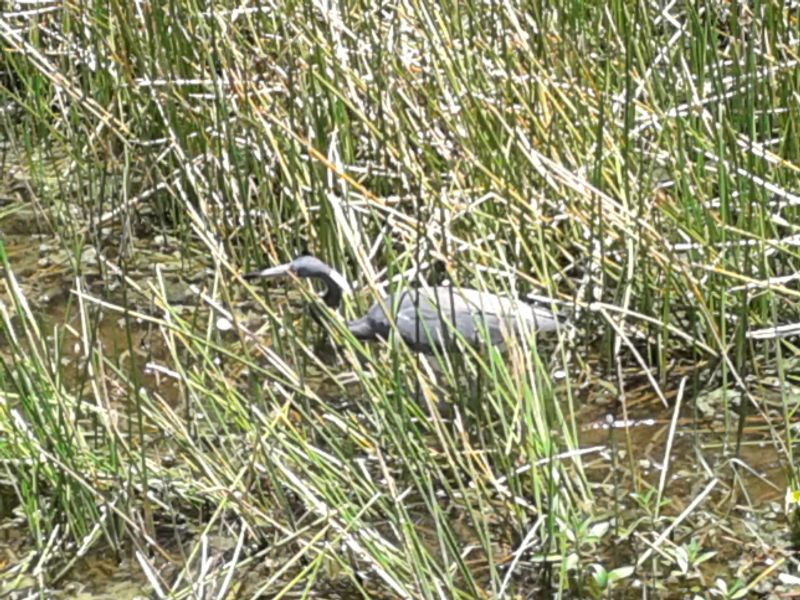
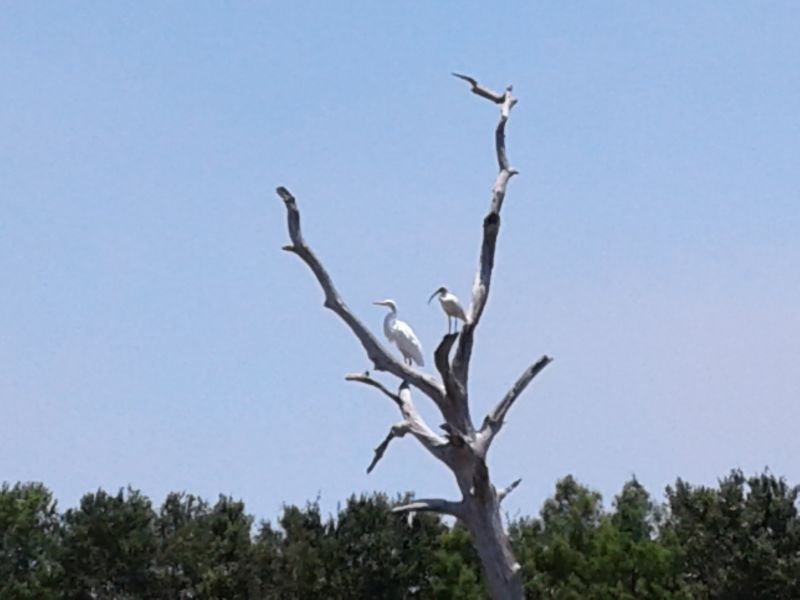
Sat. 5/20.
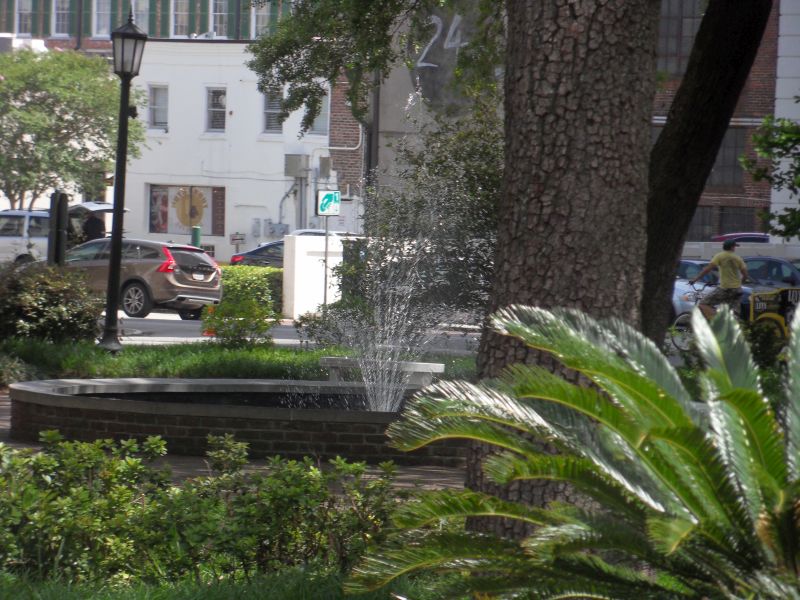
Savannah trolley tour. beautiful city, laid out around a set of squares (parks) each surrounded by homes and businesses, instead of the usual grid pattern or spokes extending from a central downtown.
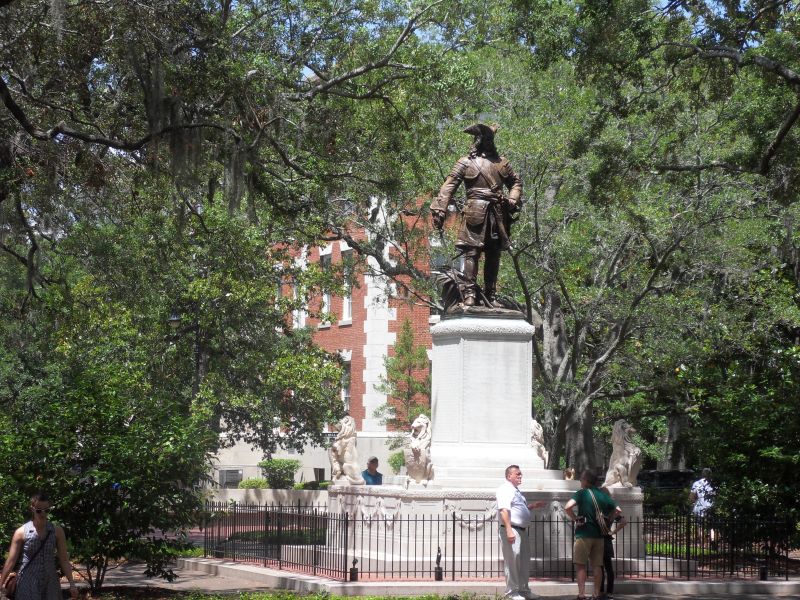
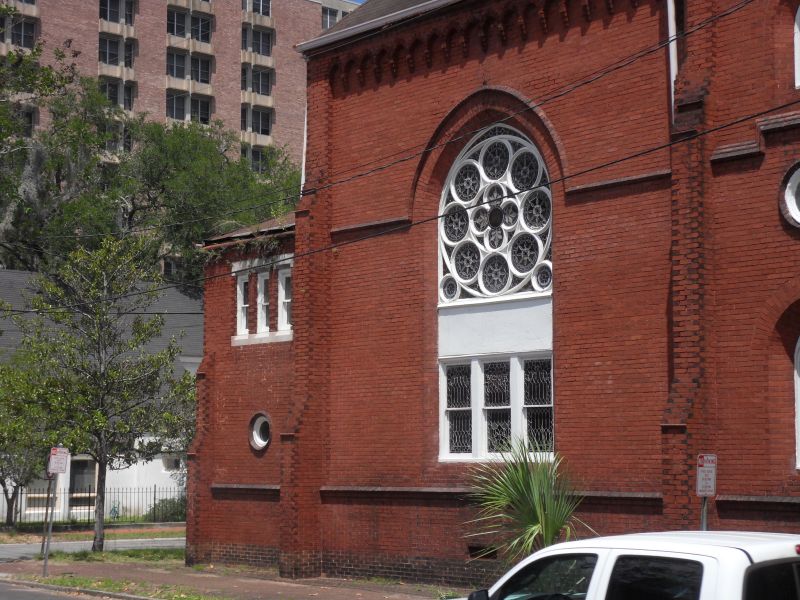
Sun. 5/21 .
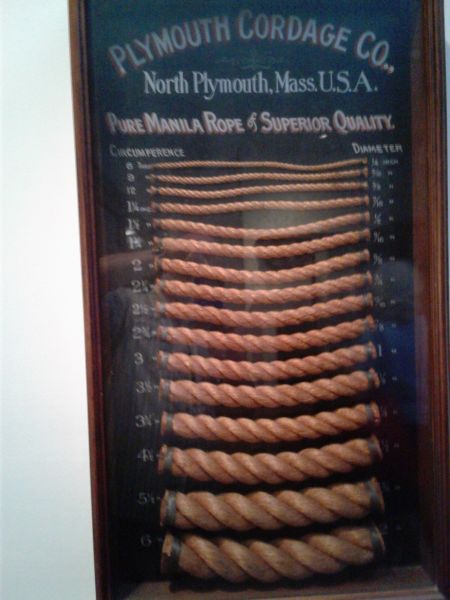
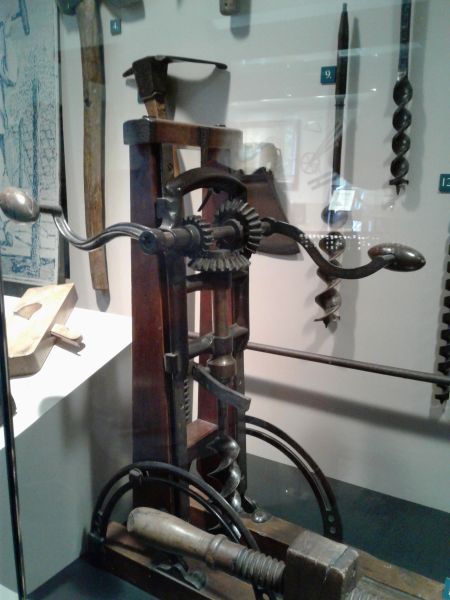
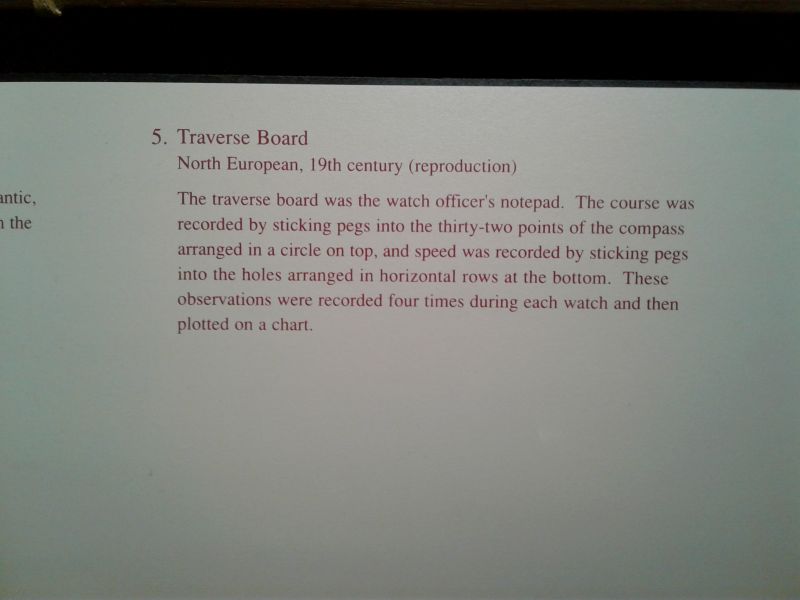
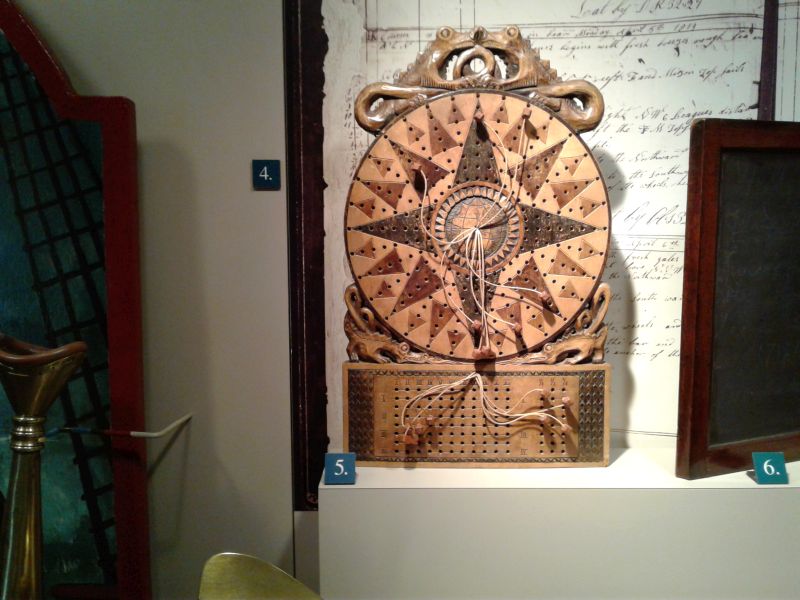
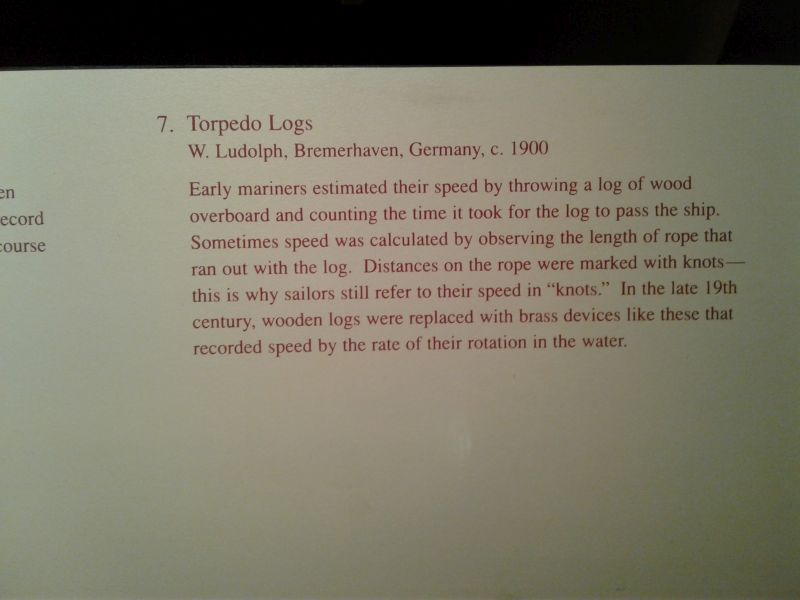
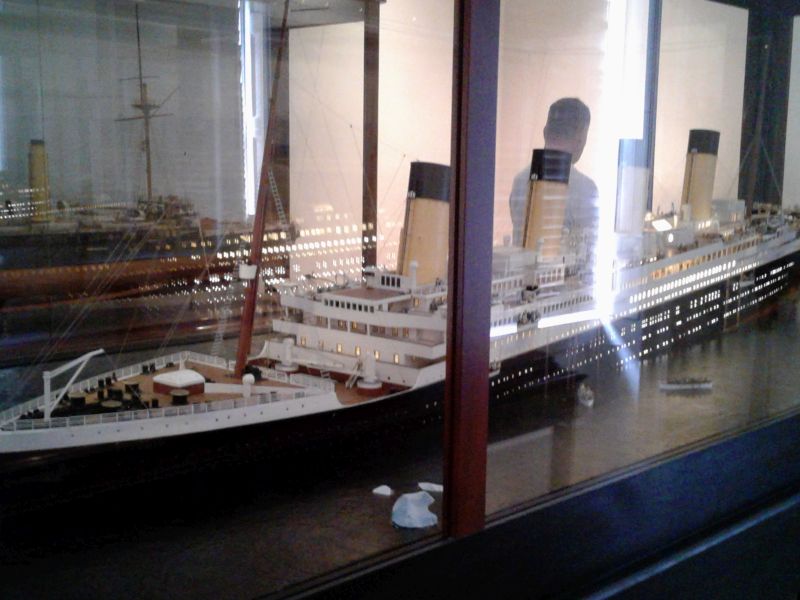
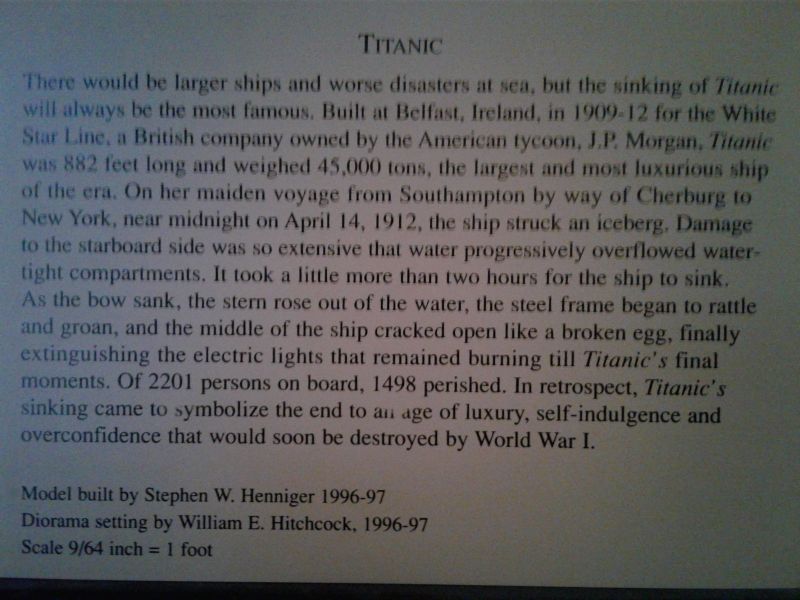
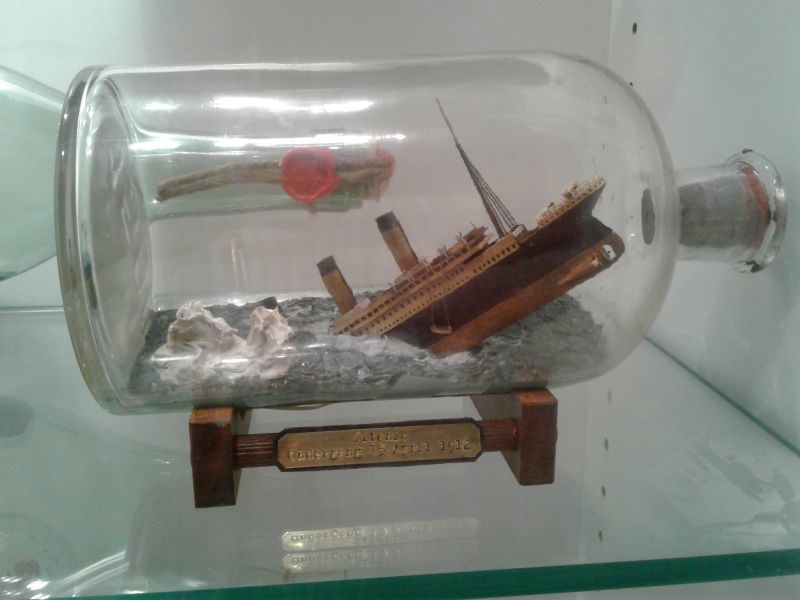
Savannah Maritime Museum. Great exhibits.
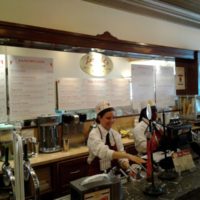
Leopold’s Ice Cream, founded 1917. Free sundae for Dad (born 1919). The kids behind the counter couldn’t fathom someone being almost as old as the store.


Mon. 5/22.
Amelia Island is the southernmost of the Sea Islands, a chain of barrier islands that stretch from SC to FL.
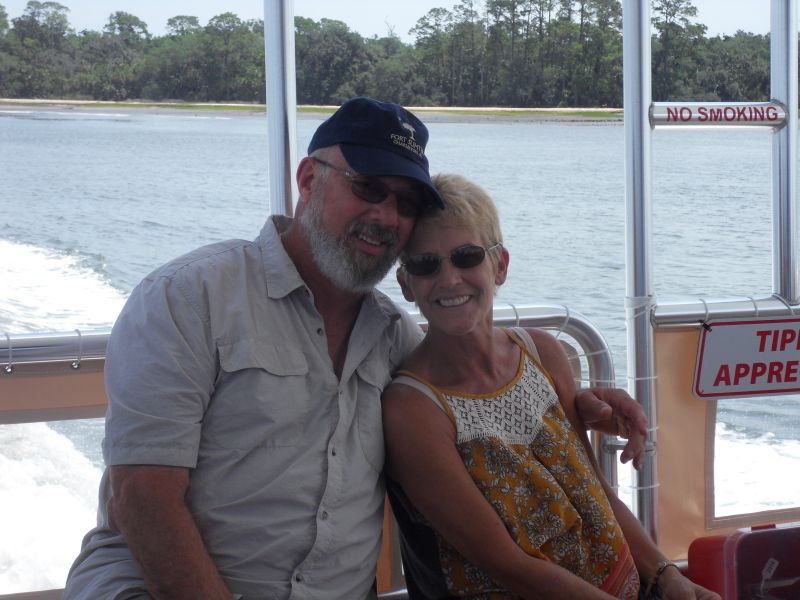
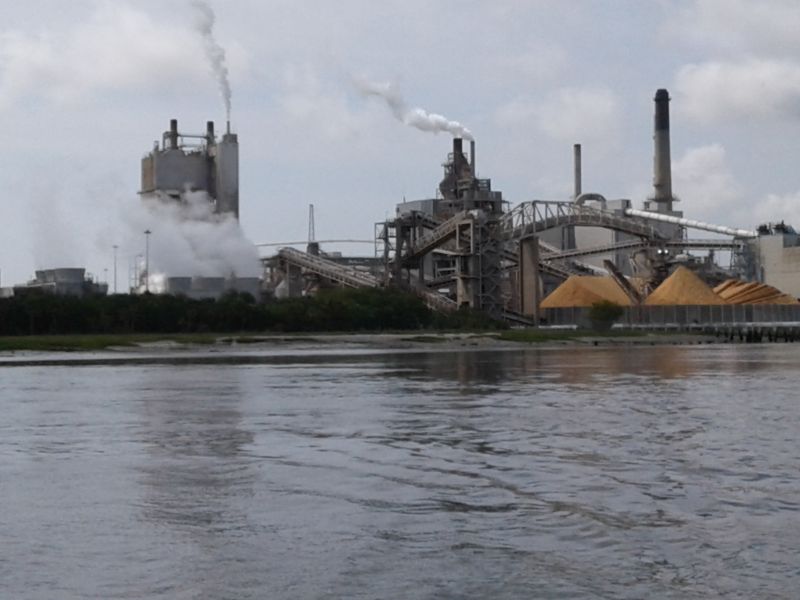
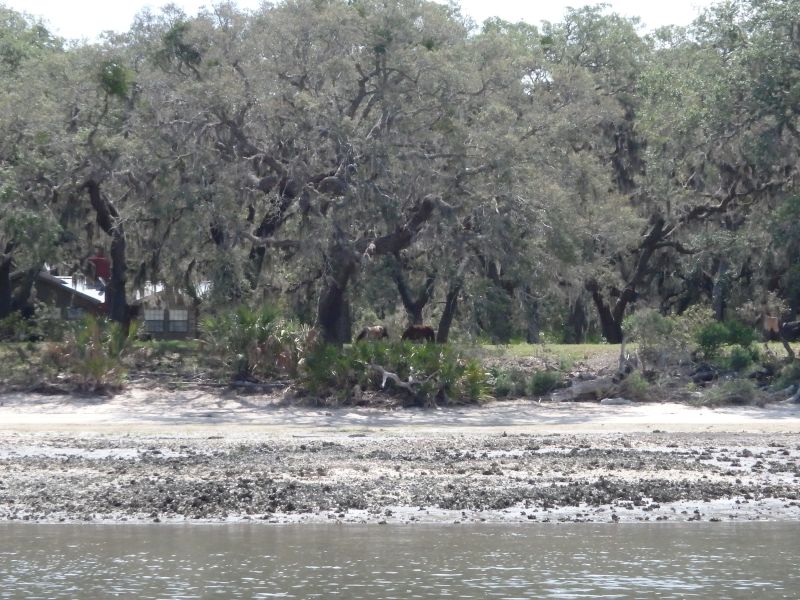
Went on a boat cruise with Lorrie, Bob’s friend originally from NJ—think this was Amelia River.
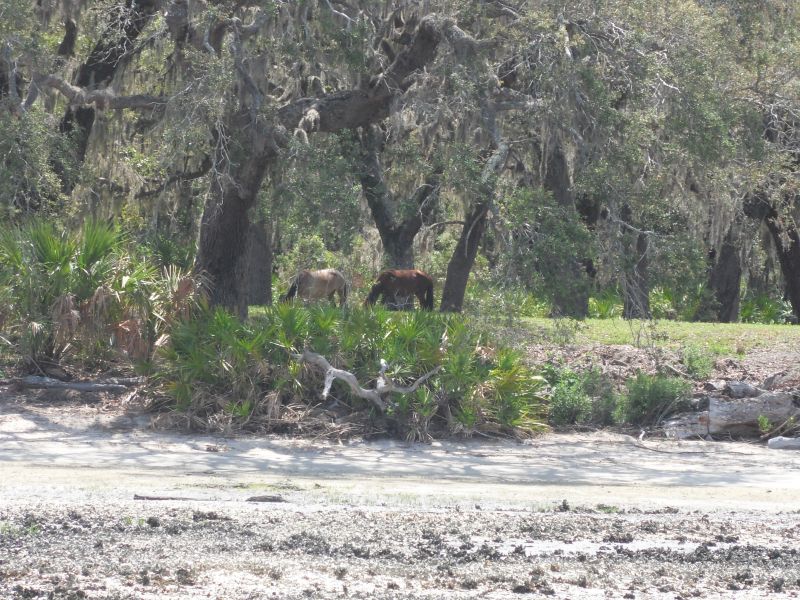
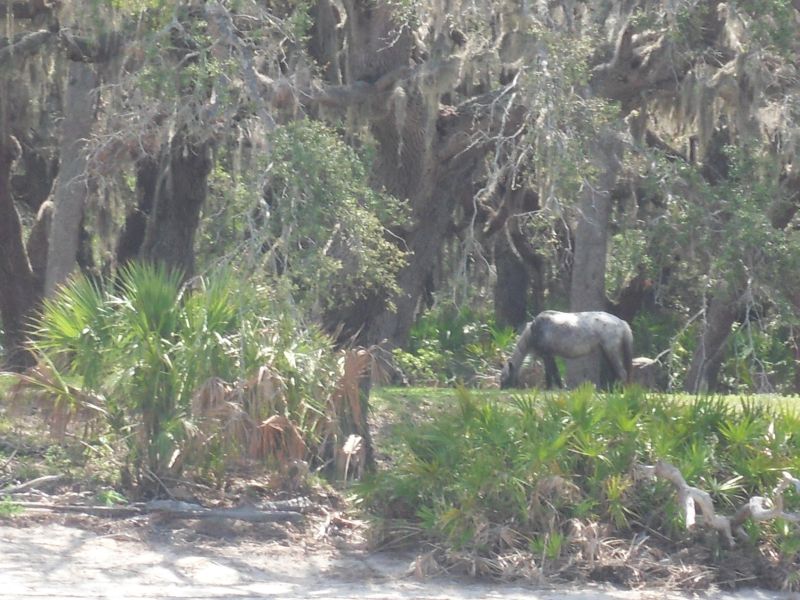
Had dinner at Tomoti’s seafood Fernandina Beach, with Lorrie, husband Chris & kids.
Tue. 5/23.
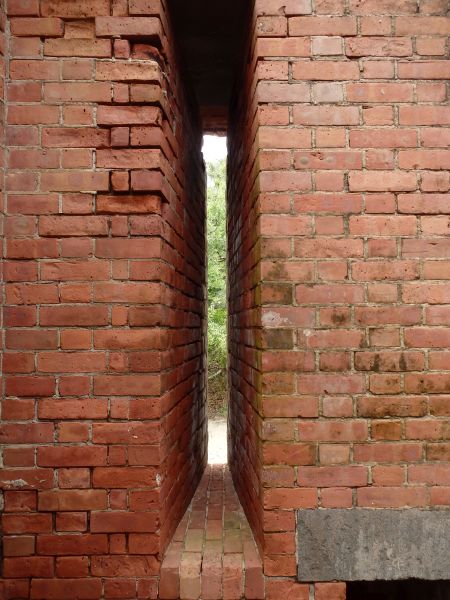
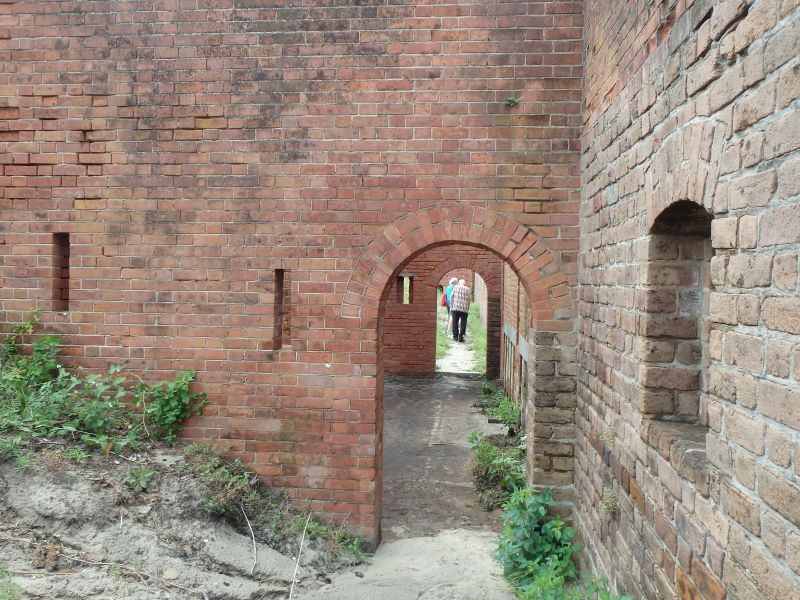
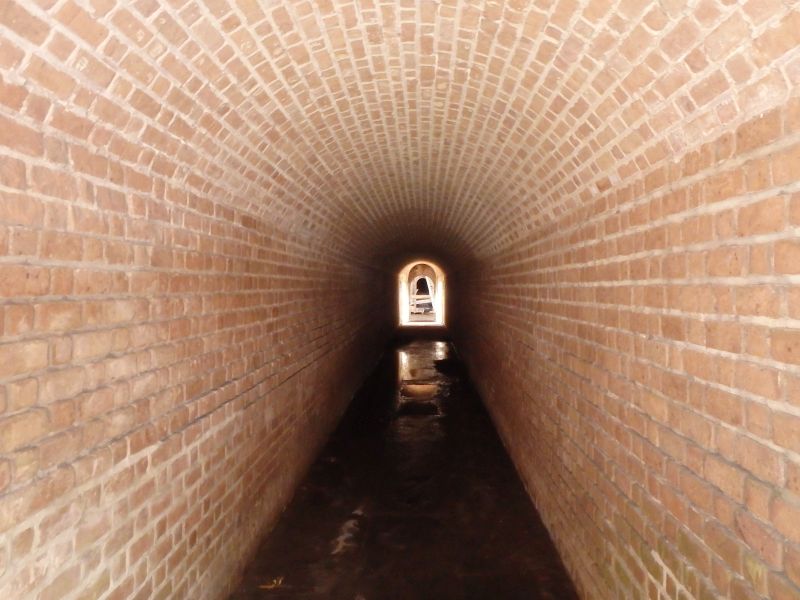
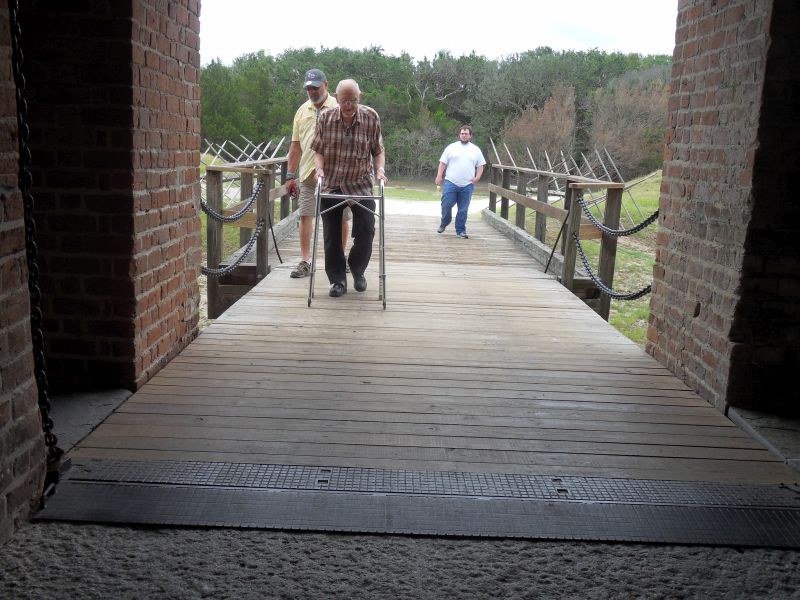
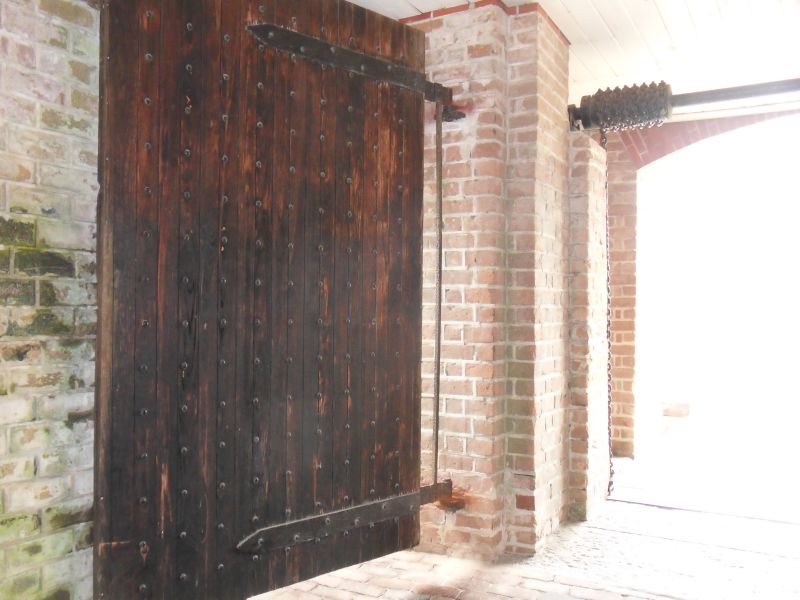
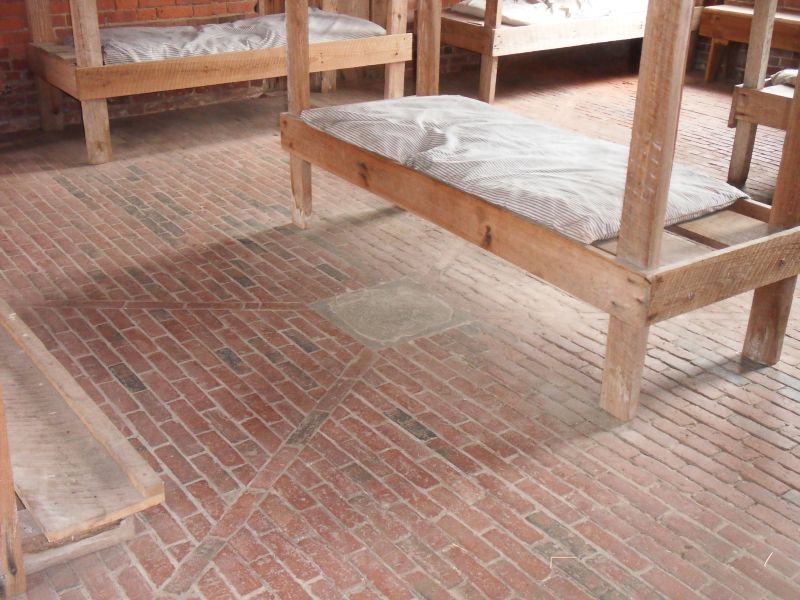
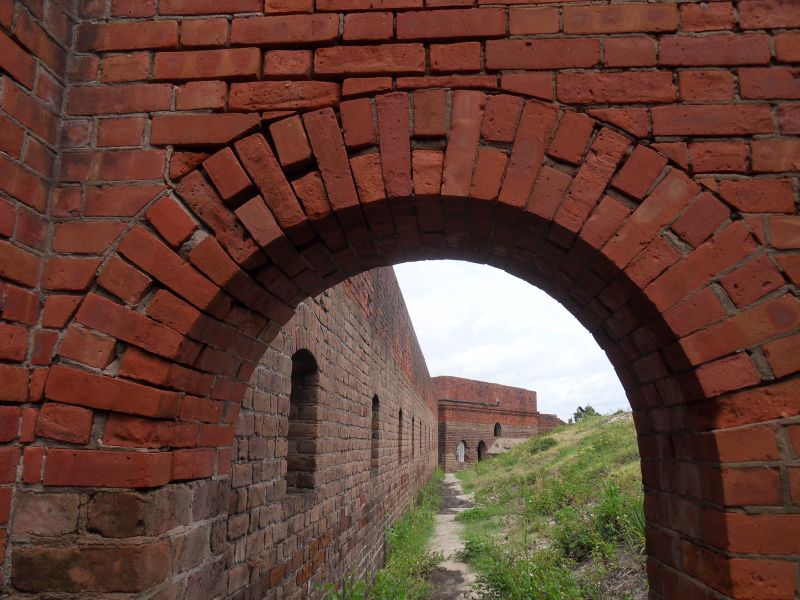
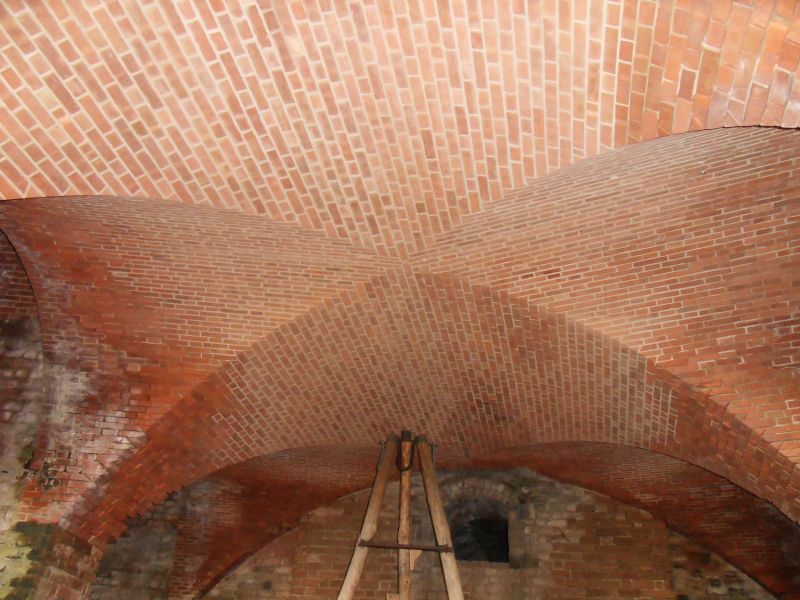
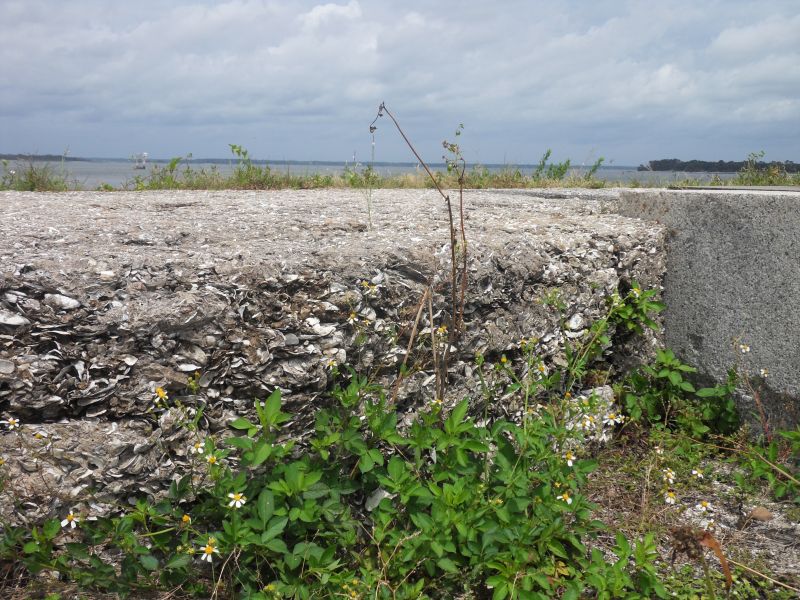
Fort Clinch, Amelia Island–part of the state park where the campground was. Part of its interest was the layout of the defenses.
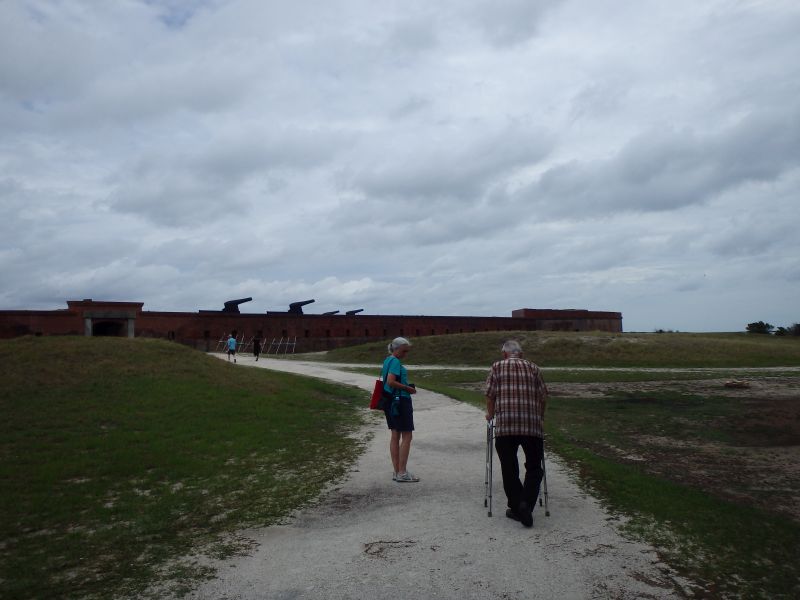
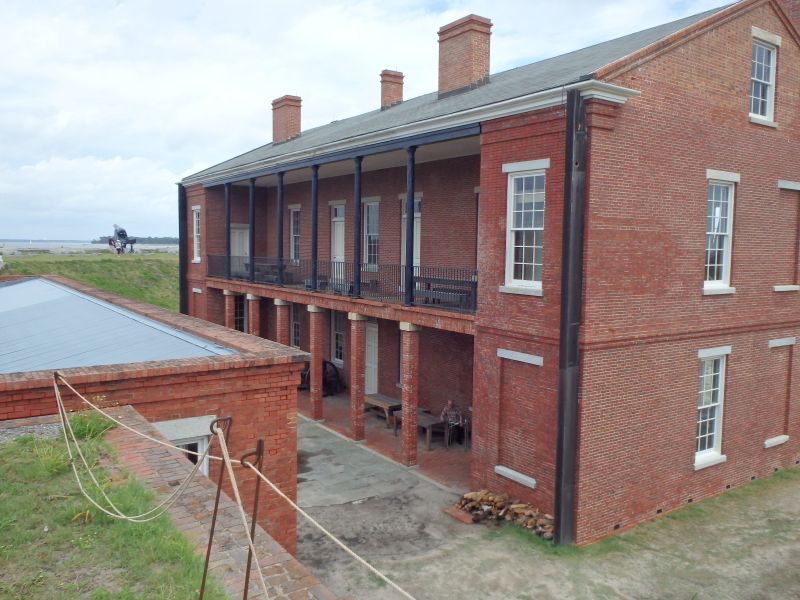
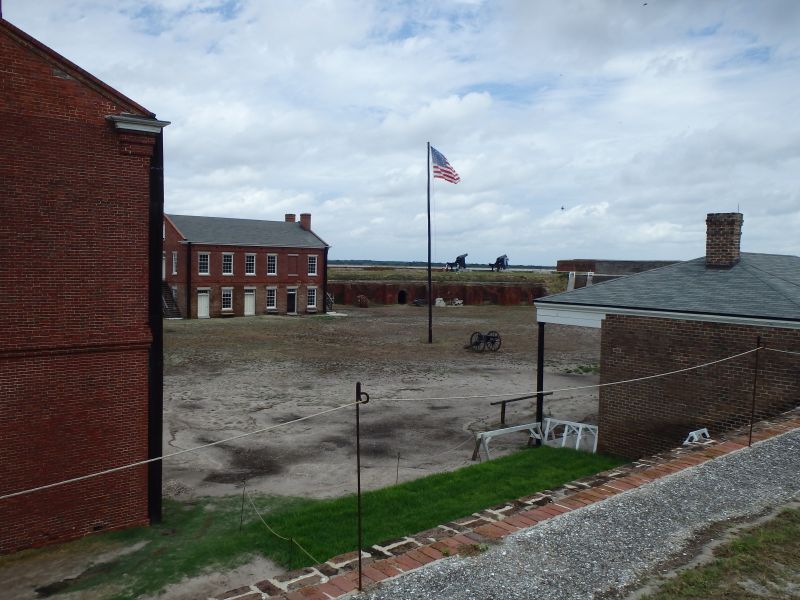
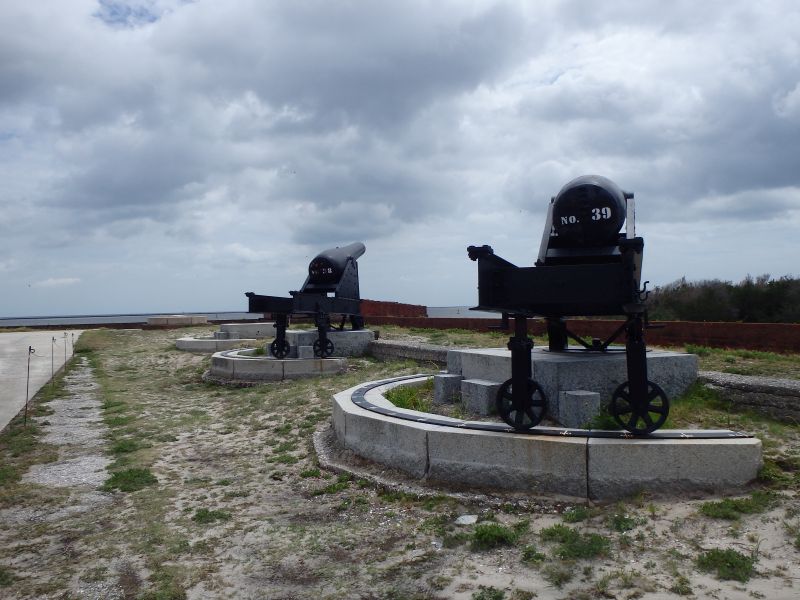
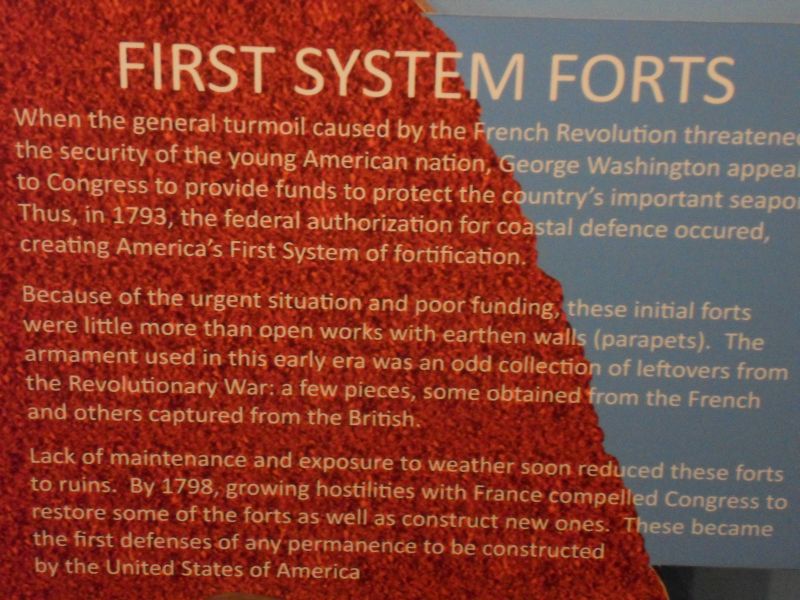

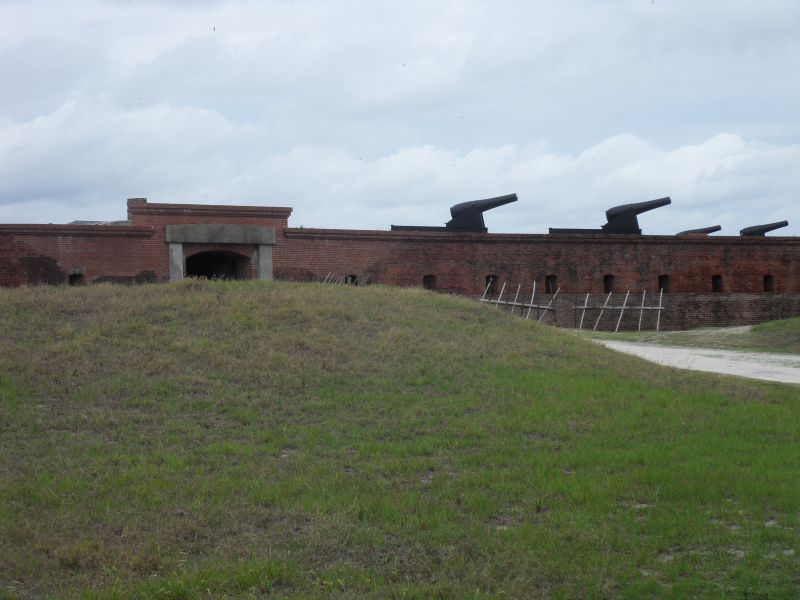
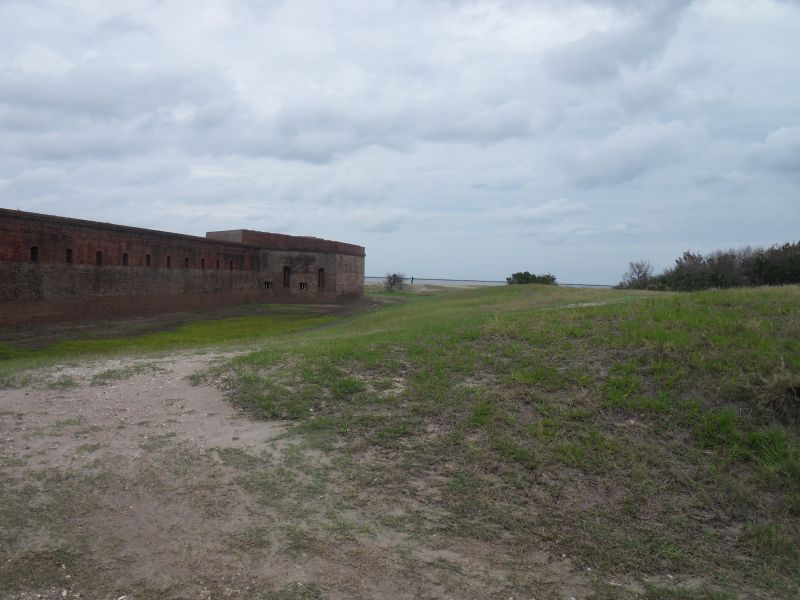
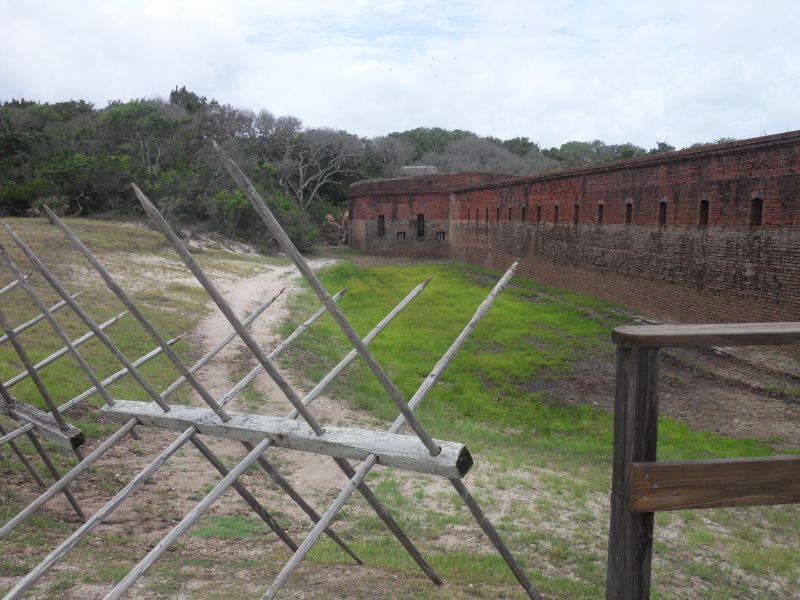
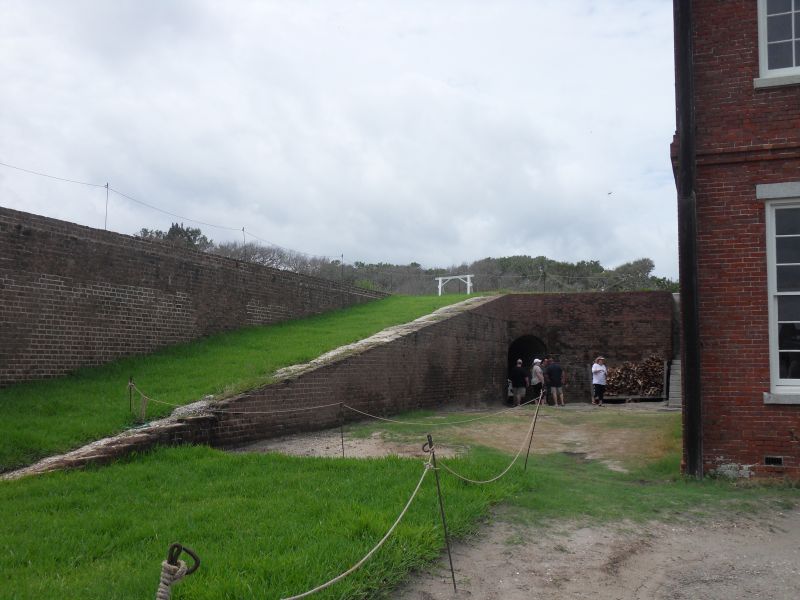
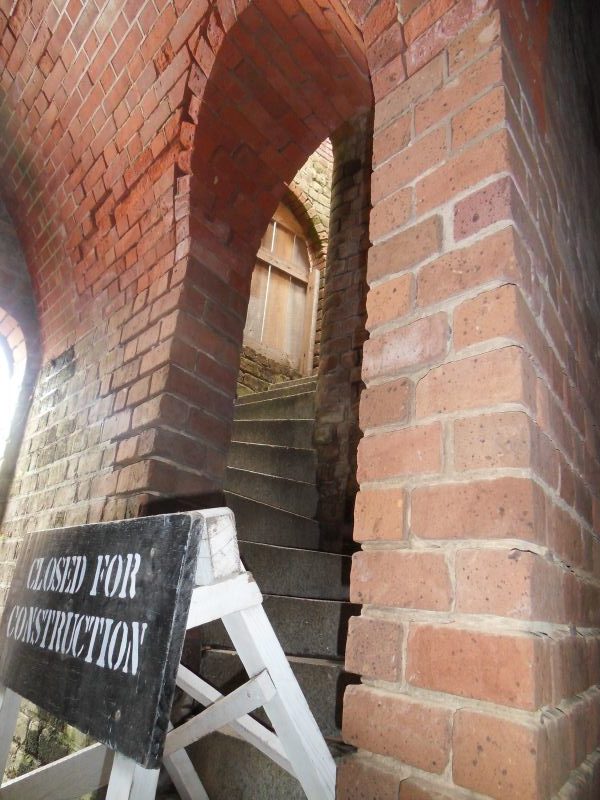
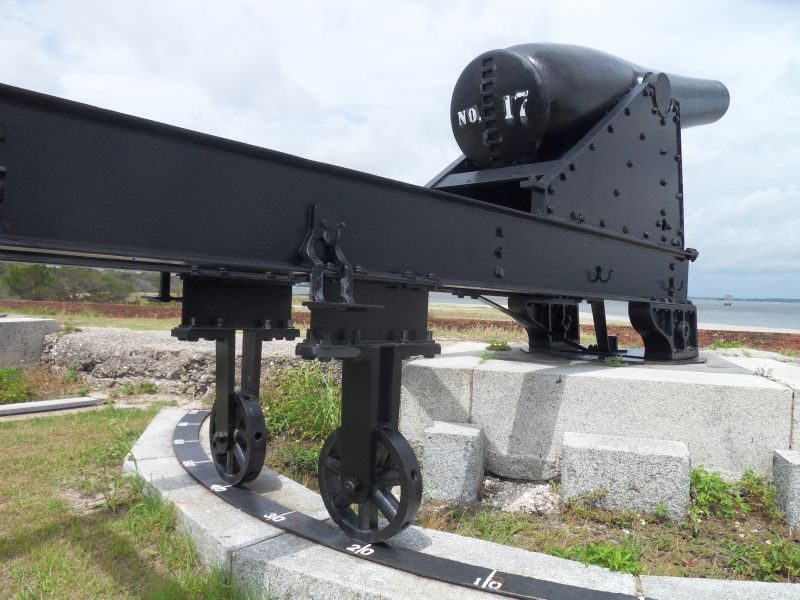
and part was the exhibits on the daily life in the fort.
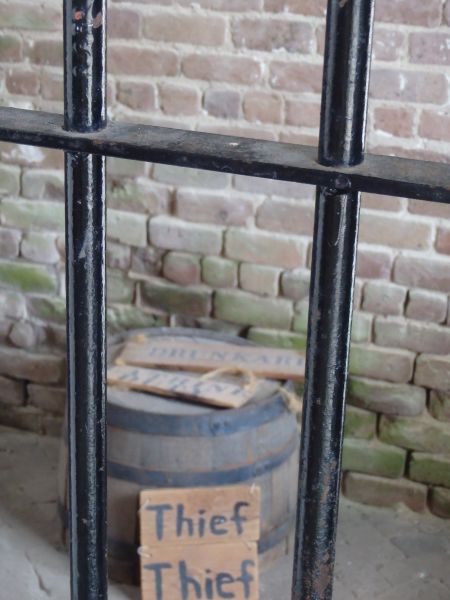
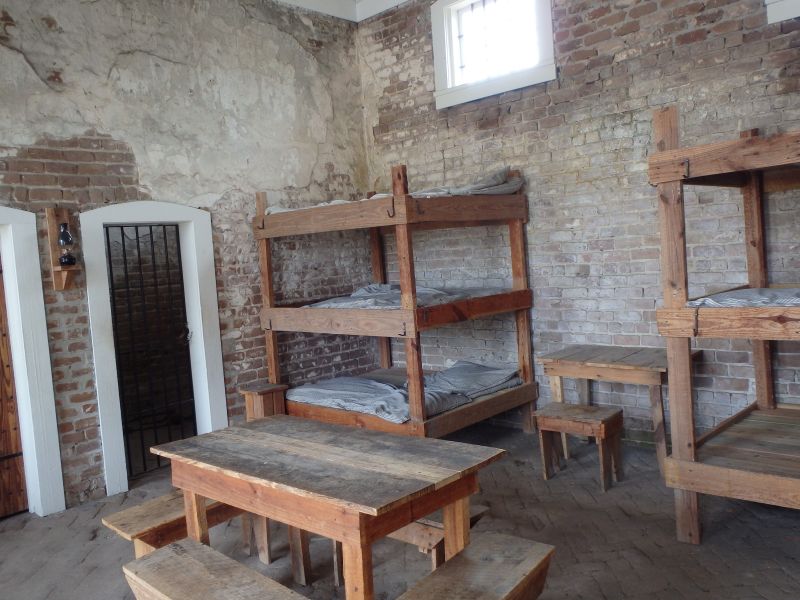
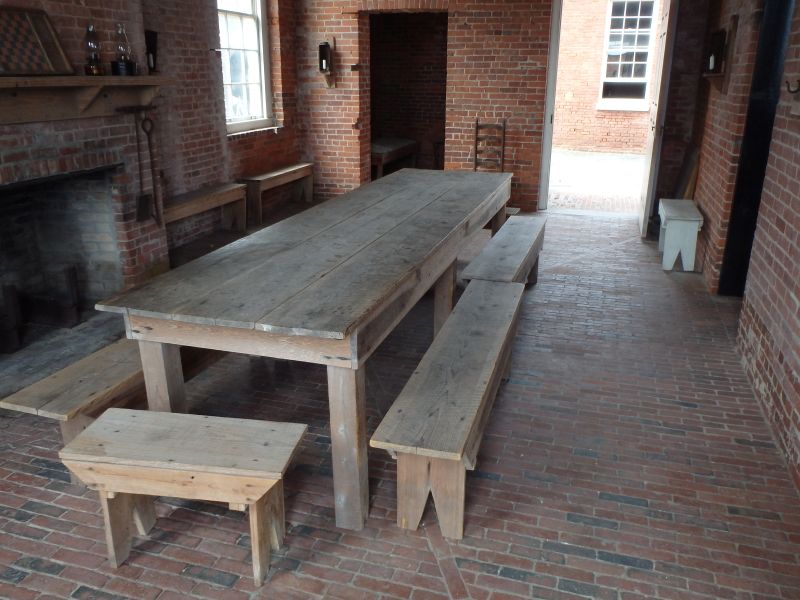
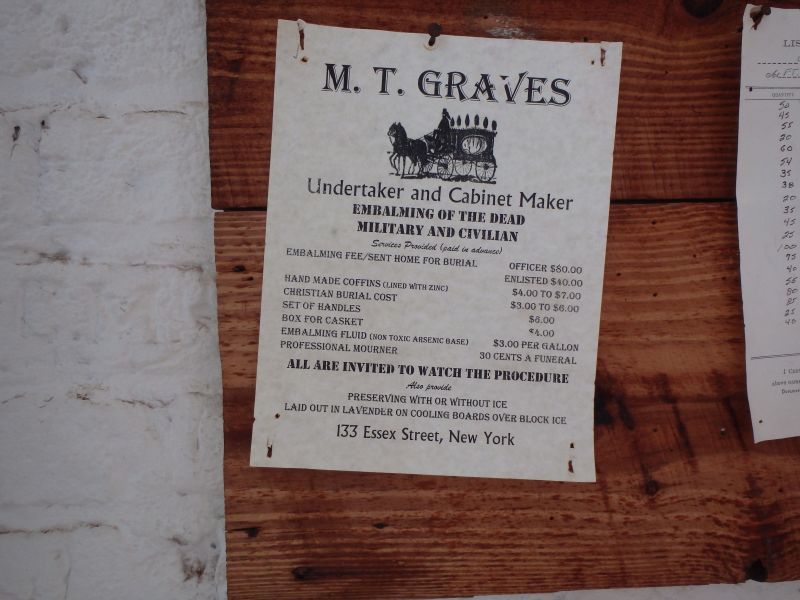
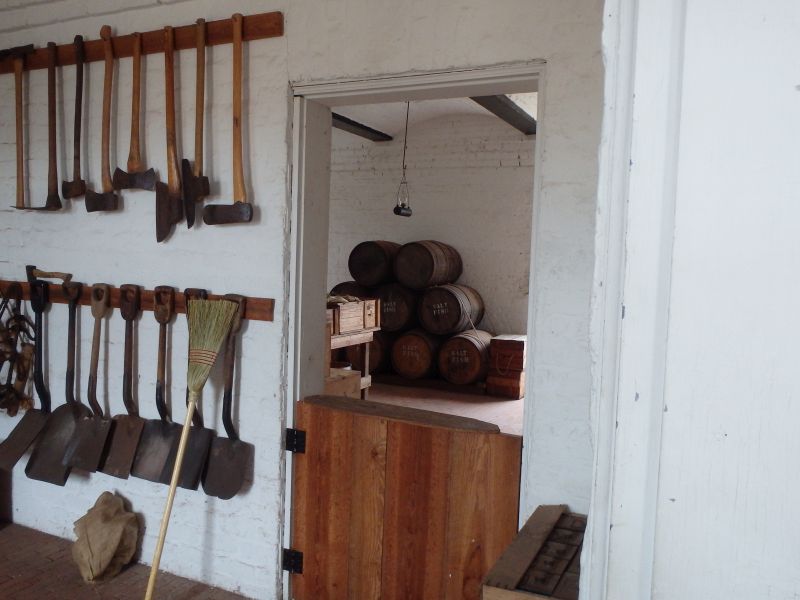
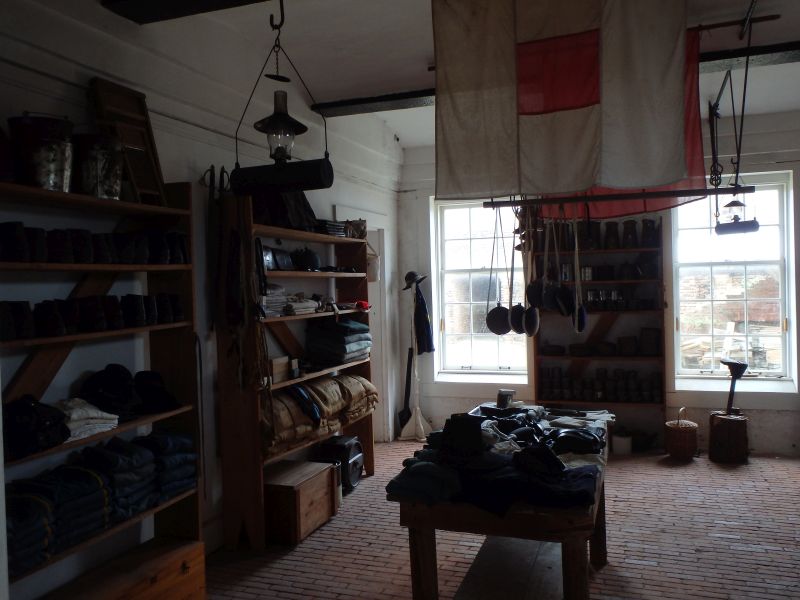
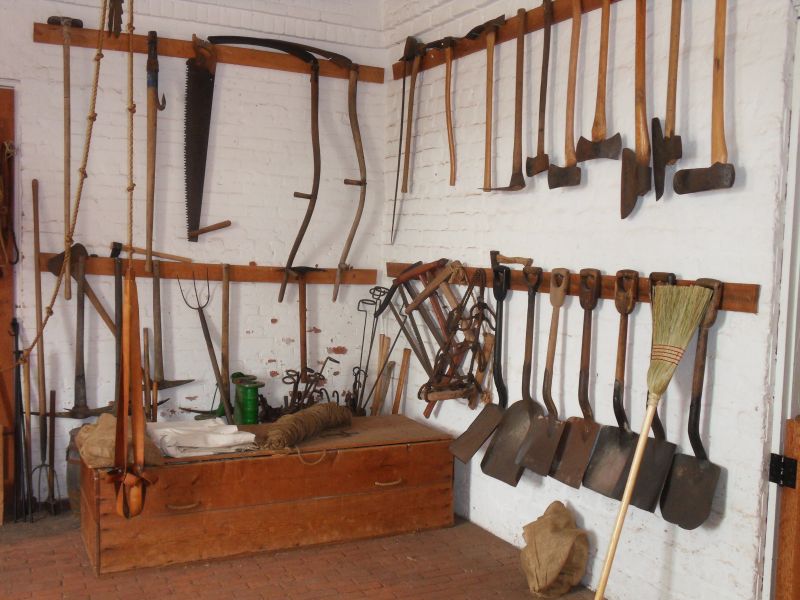
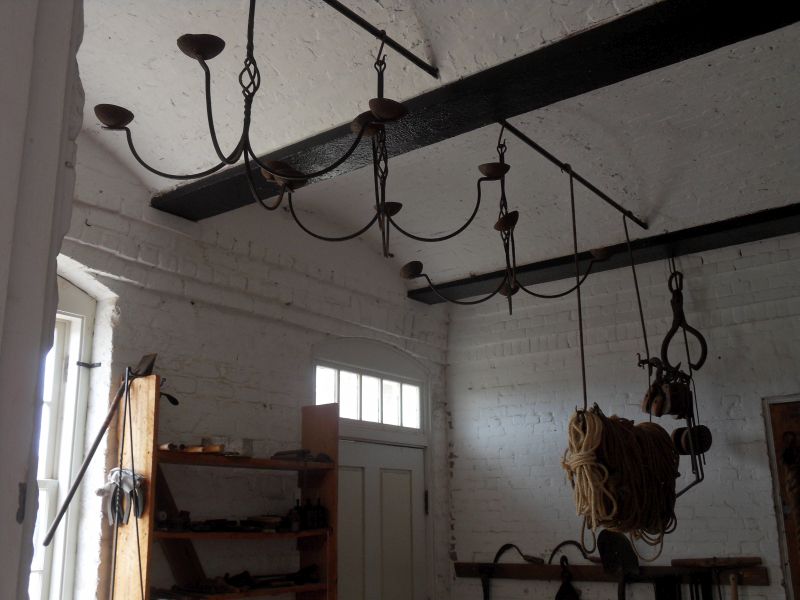
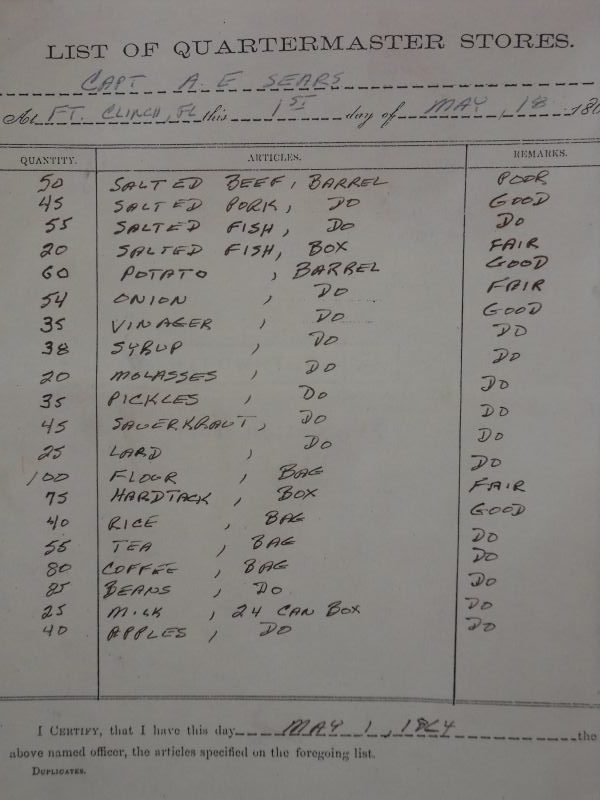
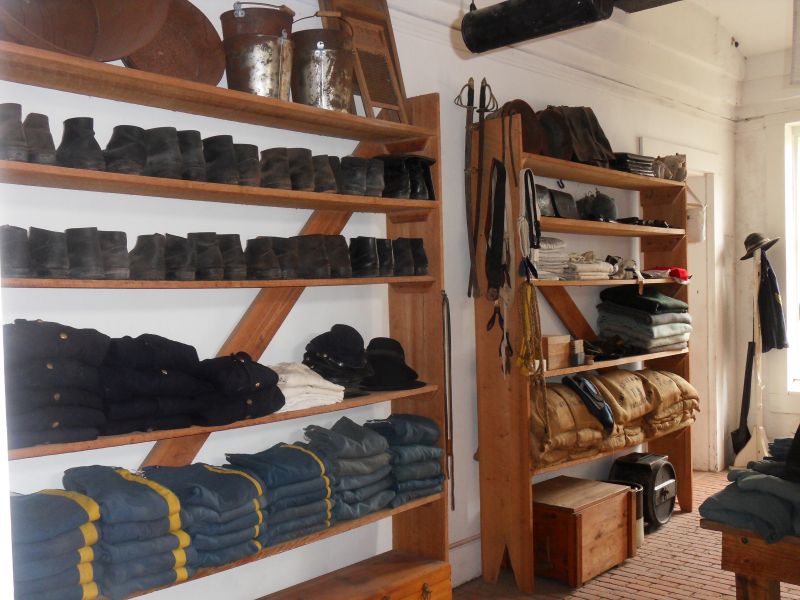
and Sally enjoyed the architecture too.
Wed. 5/25.
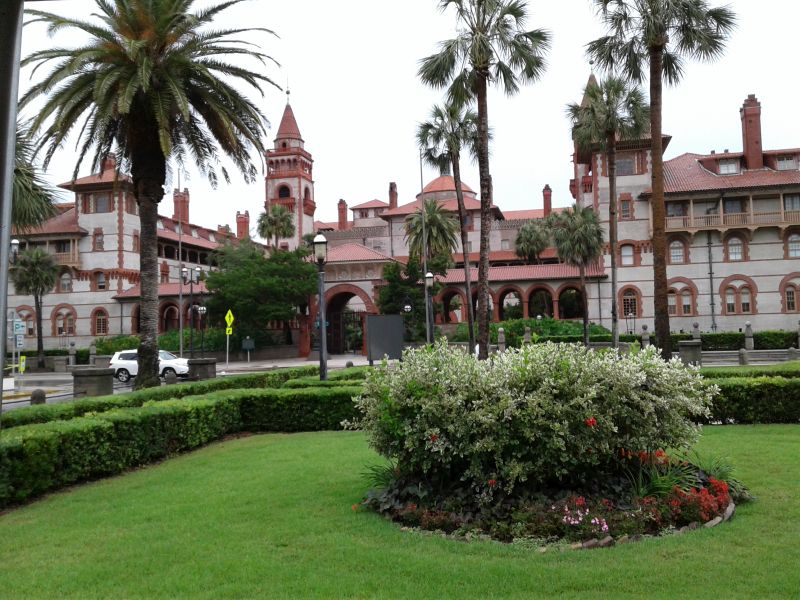
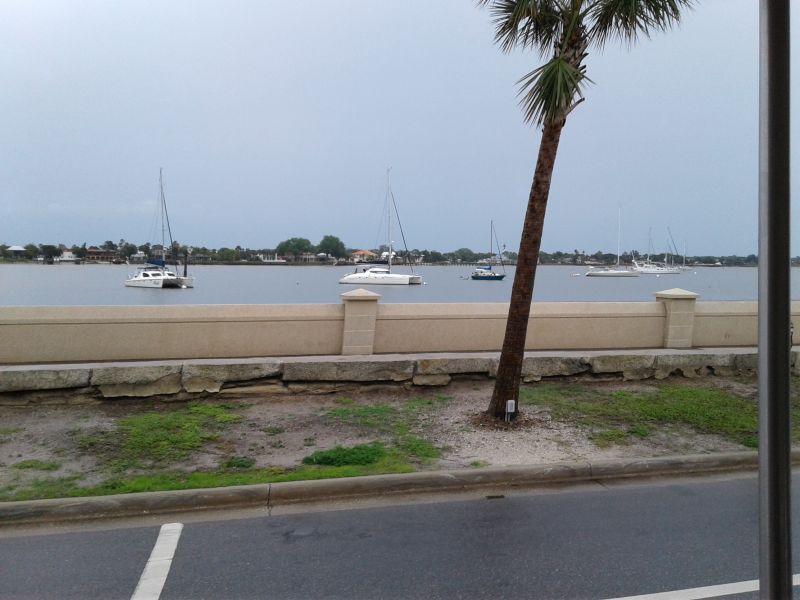
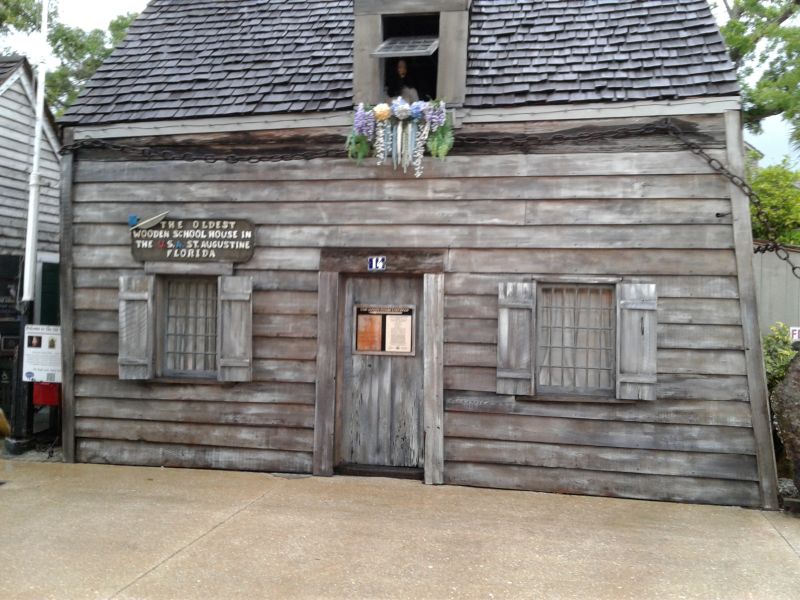
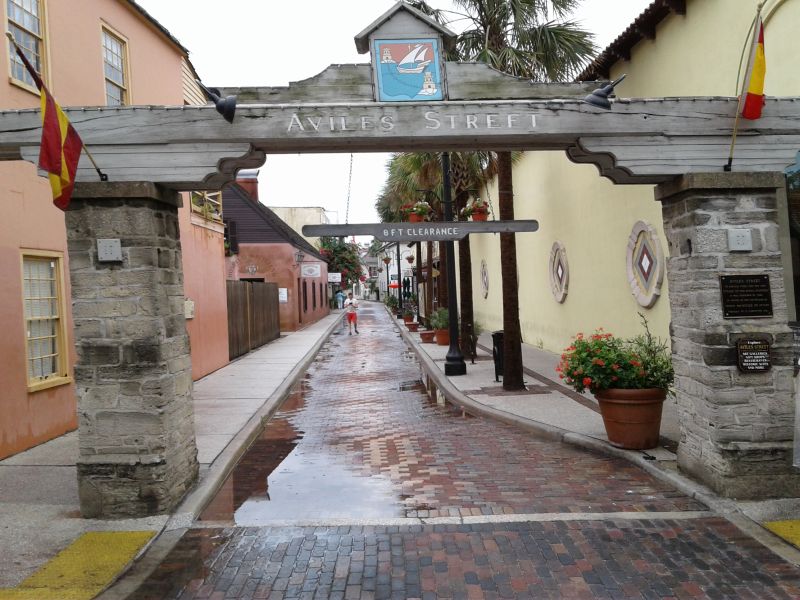
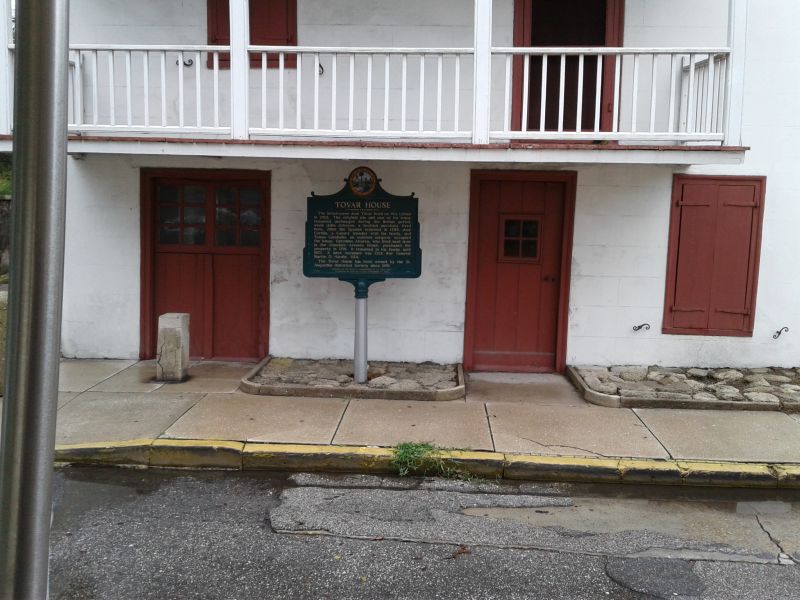
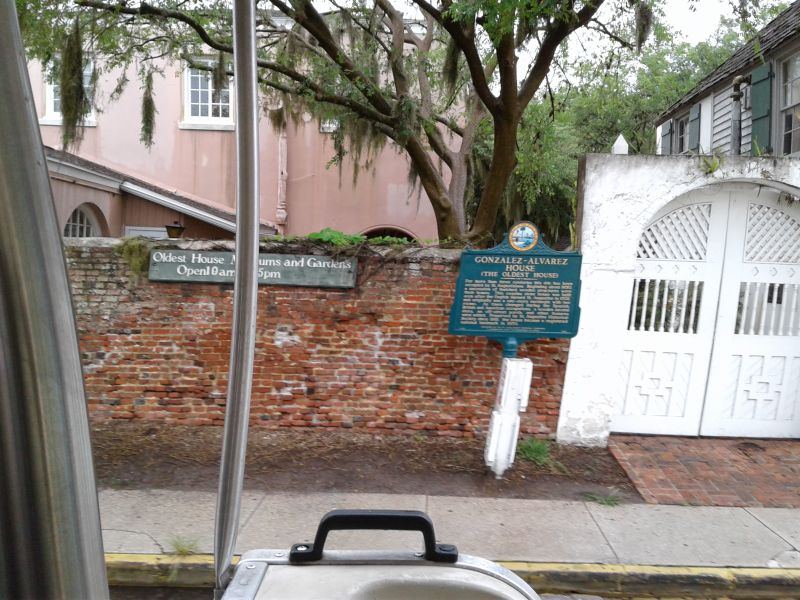
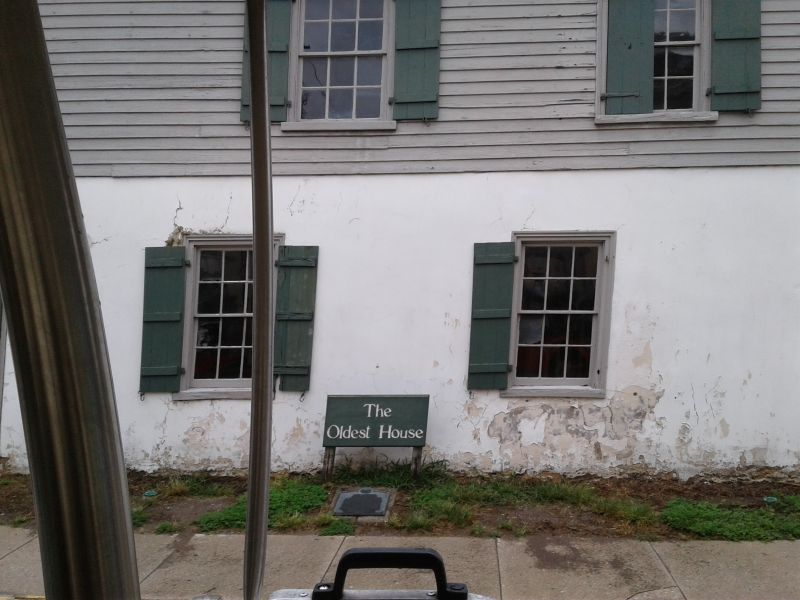
St. Augustine trolley tour.
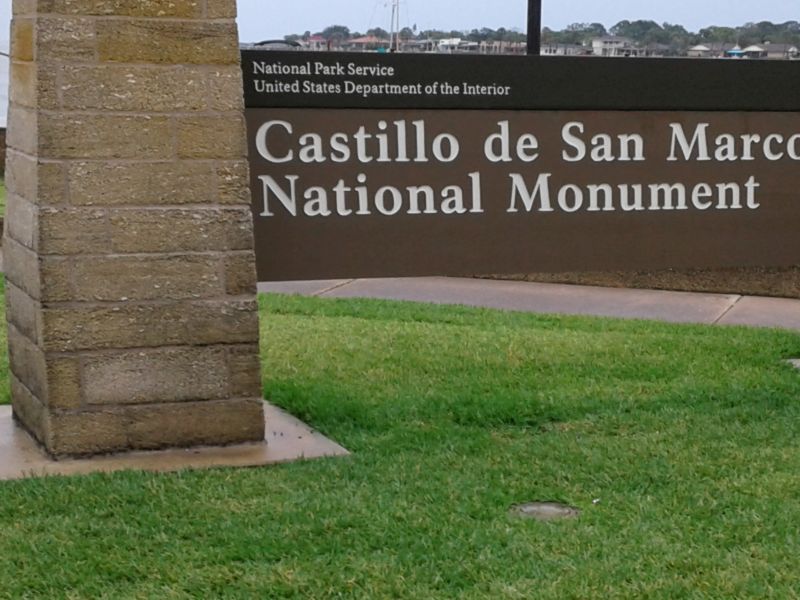
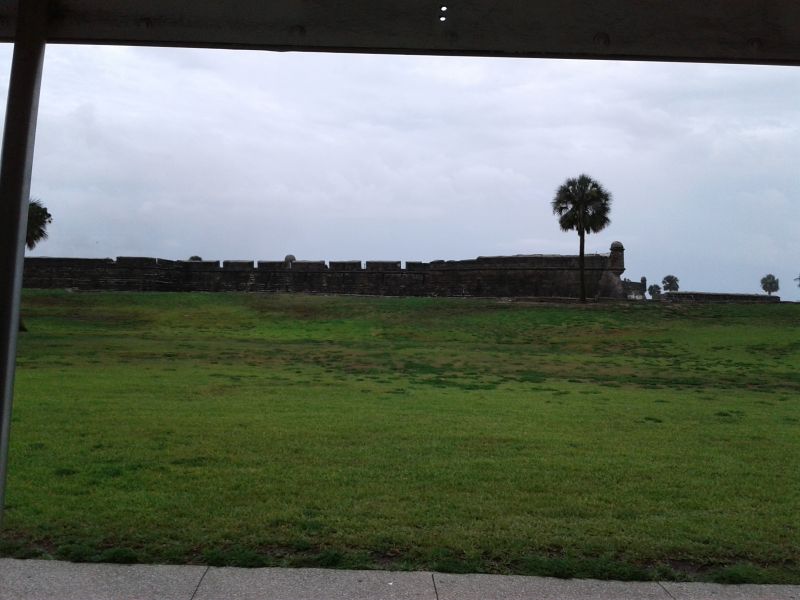
Castillo de San Marcos, masonry fort, 1672 was preceded by 9 wooden forts, all Spanish:
1565—ditch and breast-high earthworks built in 2 days, expecting attack from French in Fort Caroline.
1566—on Anastasia island to separate soldiers from local Indians, palisade encircled by ditch, but in 10 days, lasted 3 months due to sea washing away the land on which it stood.
1566—built in 3 frantic days, lasted 6 yrs, destroyed in mutiny of unpaid and hungry soldiers.
1572—present site of St. Augustine, soldiers built their homes outside the fort, 1572, wood palisade enclosure, lasted 7 yrs.
1579—deteriorated to the point off collapse by 1585.
Early 1586—did not have complete moat when sir Francis Drake burned City including fort to the ground, May 1586.
July, 1586—by 3rd yr, completely rotted and threatening collapse but survived 11 more yrs with frequent repairs.
1604—lasted 50 yrs with frequent repairs and rebuilding.
1653—lasted 22 yrs, repulsed 1658 attack by English pirates, by 1671 a rickety building, razed in 1675.
Thur.-Fri. 5/25-26.
Drove to Lake Worth—visited with Rich & Leah, Bob’s friends from NJ. There’s a lake in back of their house and herons.
Sat. 5/27. Rest day.
Sun. 5/28.
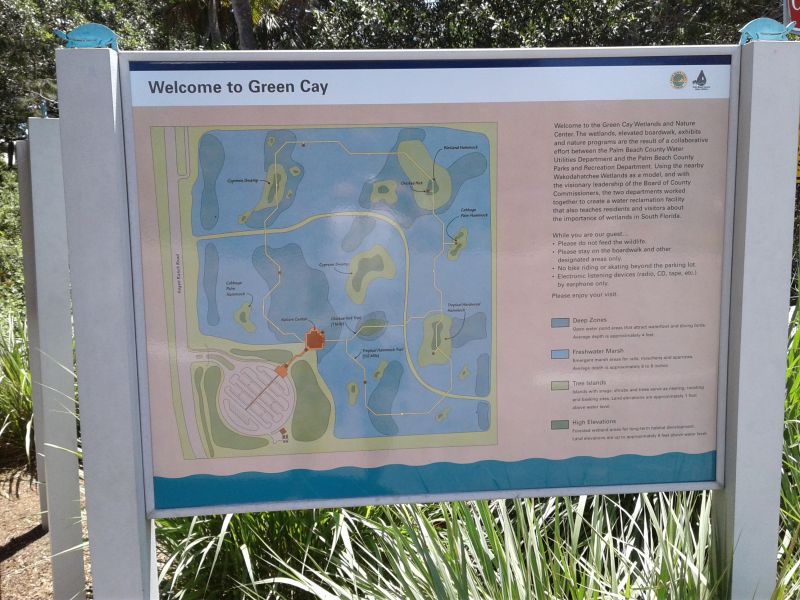
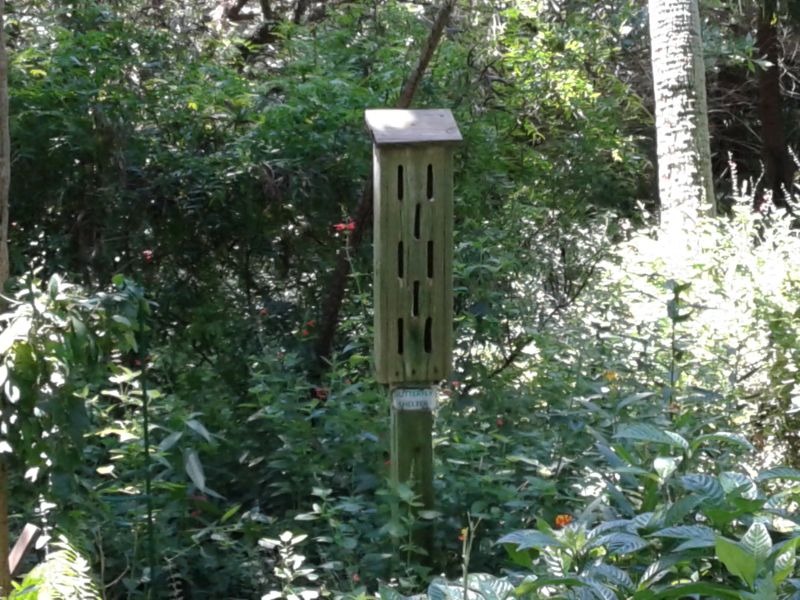
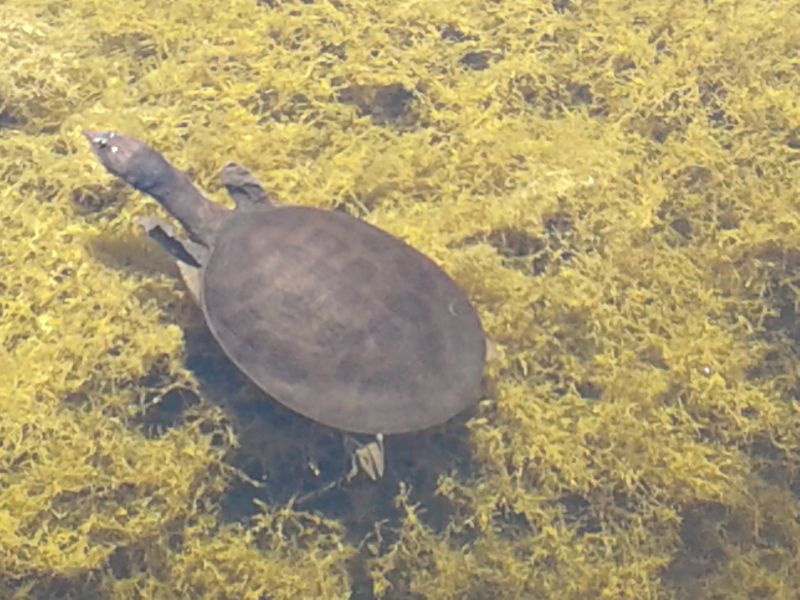
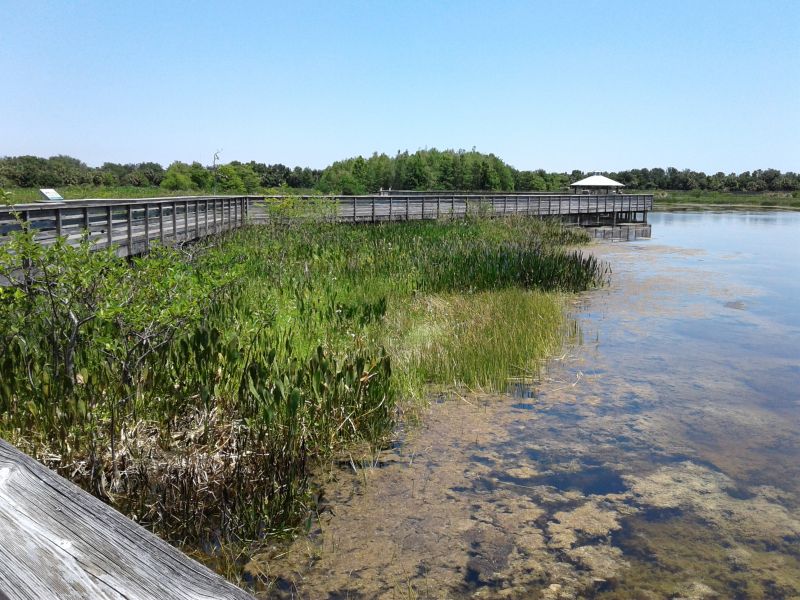
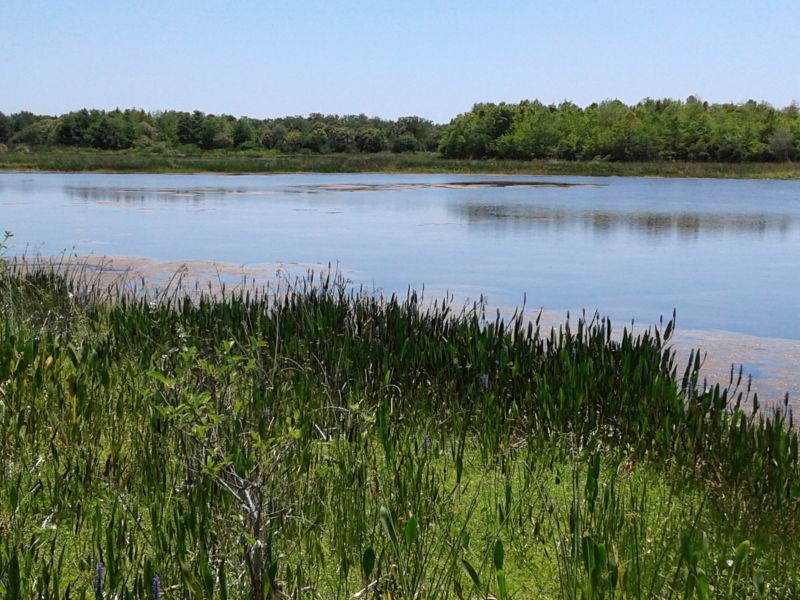
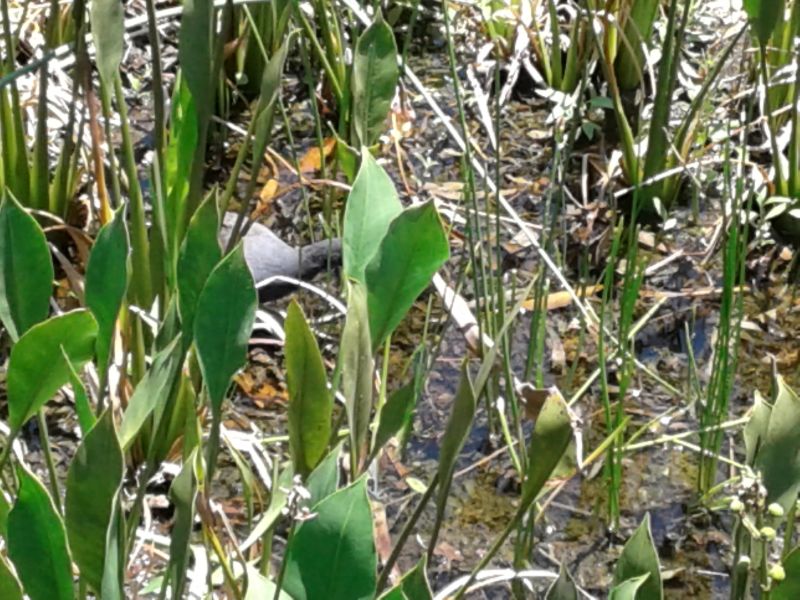
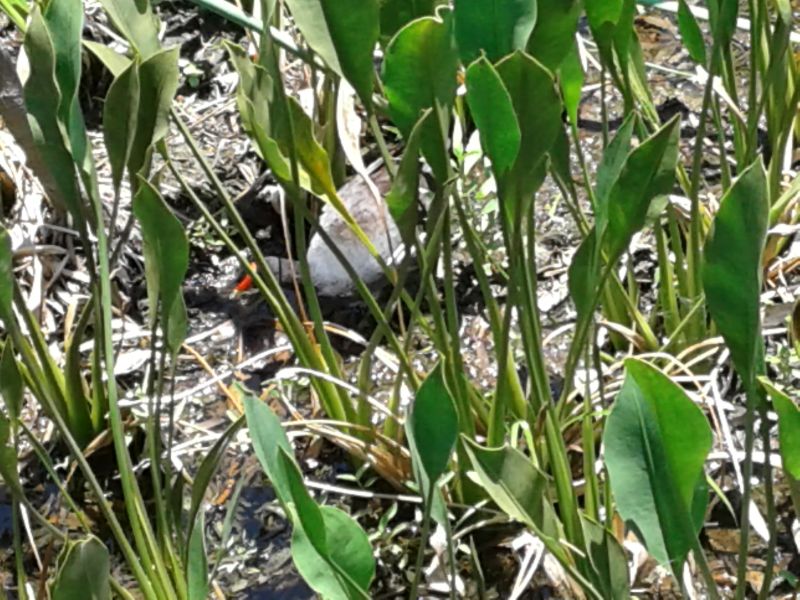
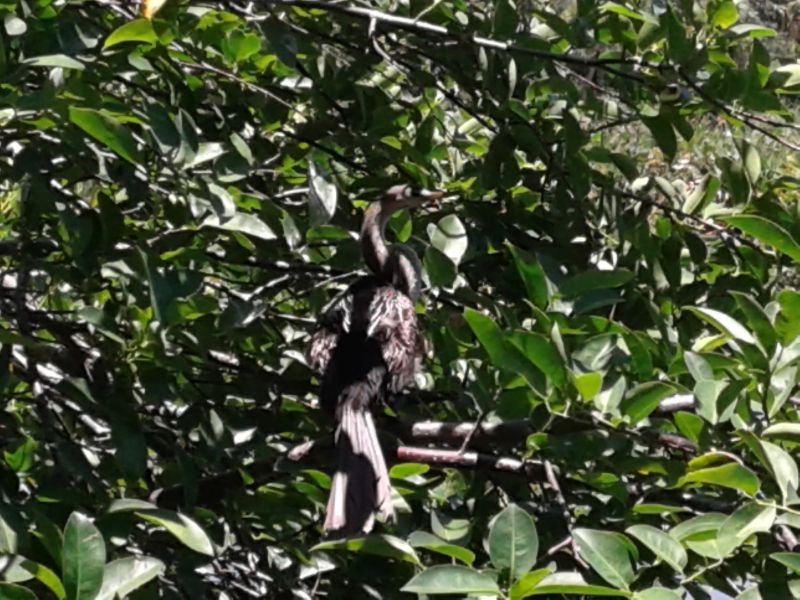
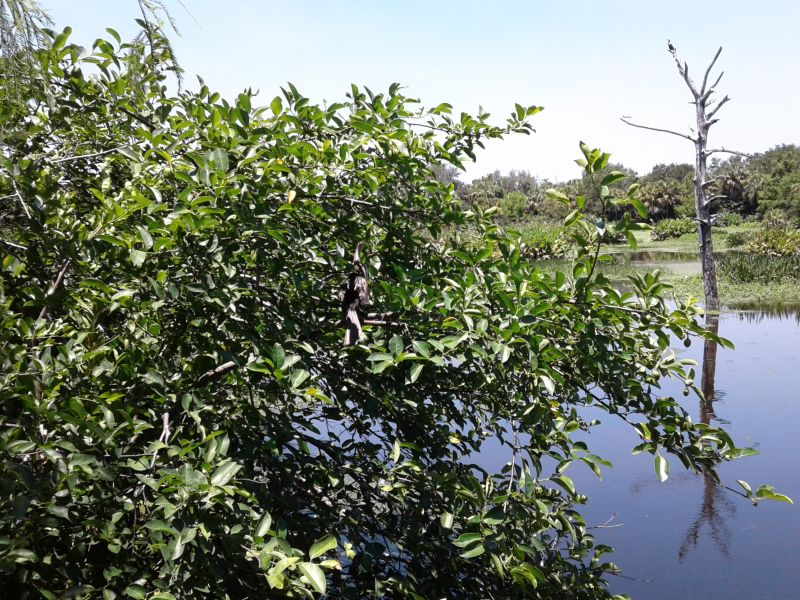
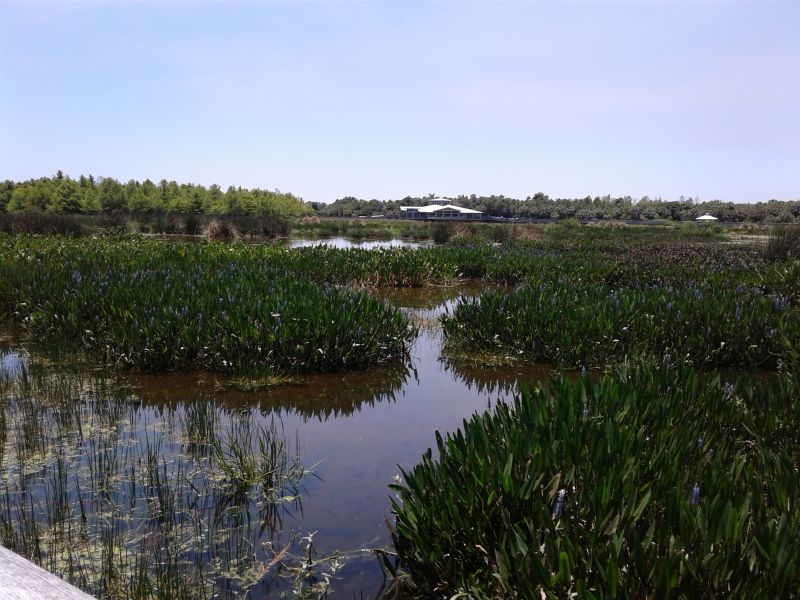
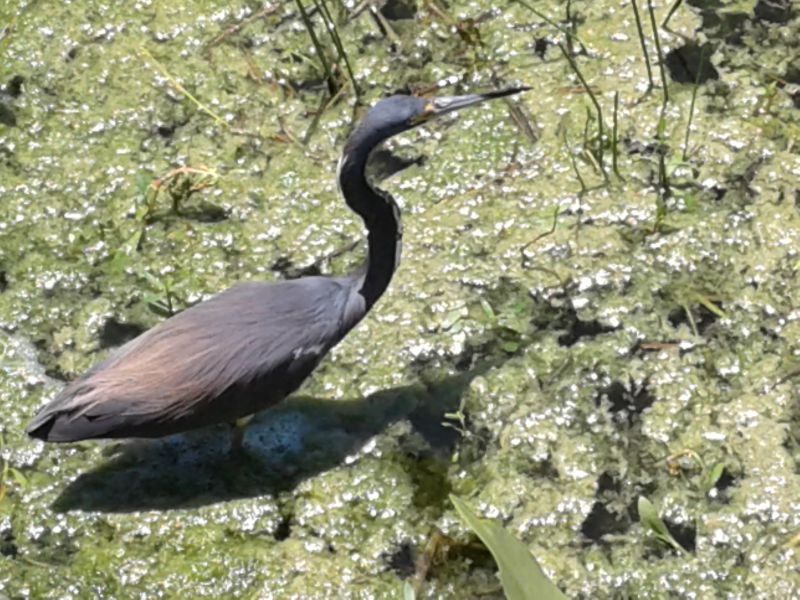
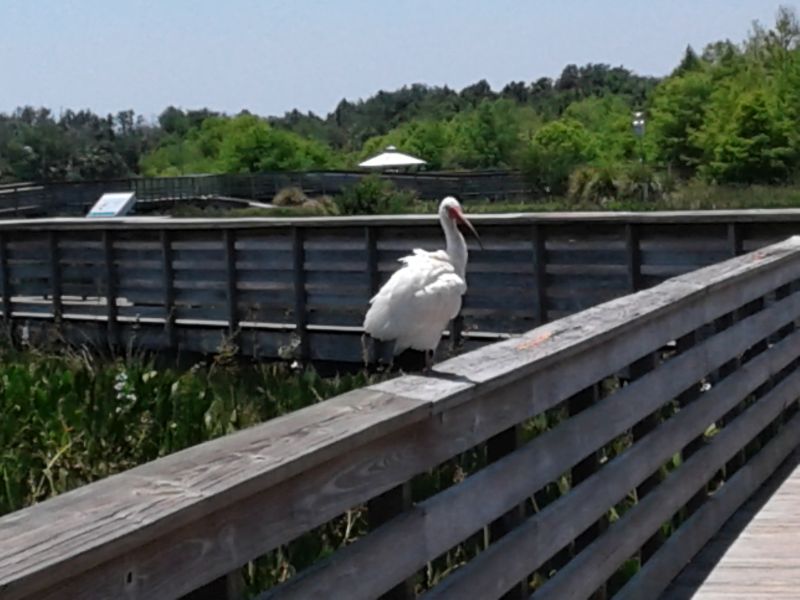
Rich and Leah took us to the beautiful and peaceful Green Cay Wetlands. It was a challenge to find the birds and photograph them but we were successful!
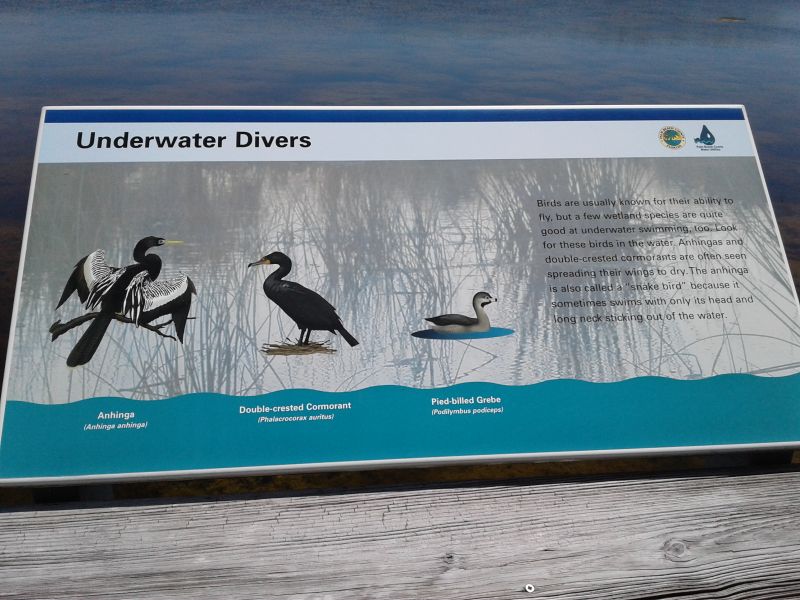
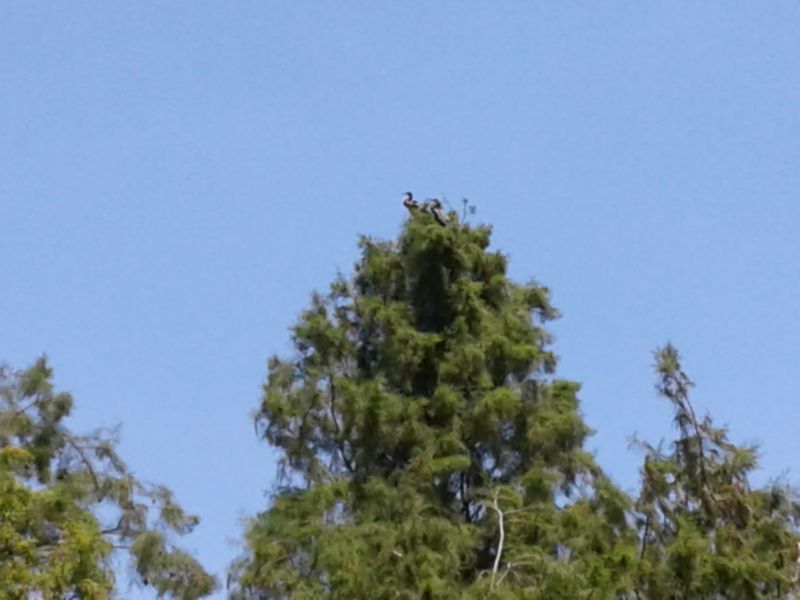
Anhingas are diving birds, feathers are not waterproof, nest in trees. Double-breasted cormorants and pied grebes also dive; former nest in trees, latter have floating nests. DBCs have orange patch of bare skin at base of bill.
The A. anhinga species is a large bird and measures approximately 35 inches in length, with a range of 30–37 in, with a 3.7 ft wingspan. They weigh on average around 2.7 lb, with a range of 2.3–3.0 lb. The bill is relatively long (about twice the length of the head), sharply pointed and yellow as are the webbed feet.
Most of the male anhinga’s body is a glossy black green with the wings, base of wings, and tail being a glossy black blue. The tip of the tail has white feathers. The back of the head and the neck have elongated feathers that have been described as gray or light purple-white. The upper back of the body and wings is spotted or streaked with white.
The female anhinga is similar to the male except that it has a pale gray-buff[or light brown head, neck, and upper chest. The lower chest or breast is a chestnut color and as compared to the male, the female has a more brown back.
This bird is often mistaken for the double-crested cormorant due to its similar size and shape, although the two species can be differentiated by their tails and bills. The tail of the anhinga is wider and much longer than that of the cormorant. The bill of the anhinga is pointed, while the bill of the cormorant has a hook-tip.