Mon. 4/24.
Rest/work day.
Tues. 4/25.
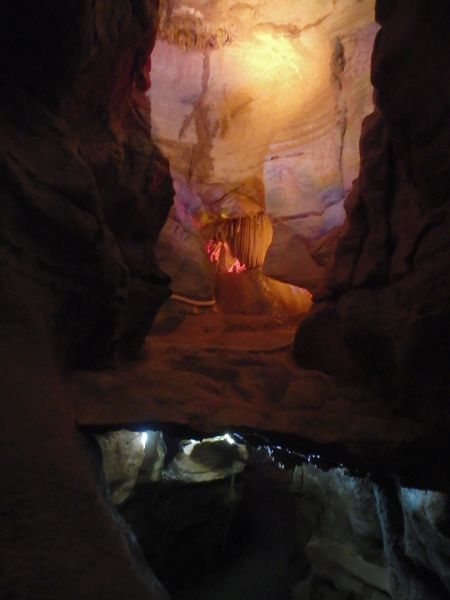
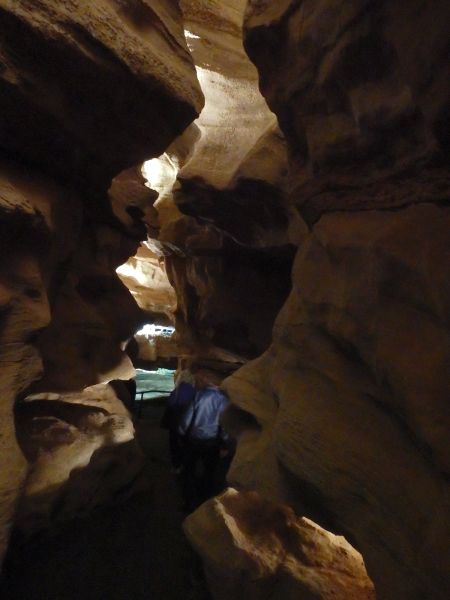
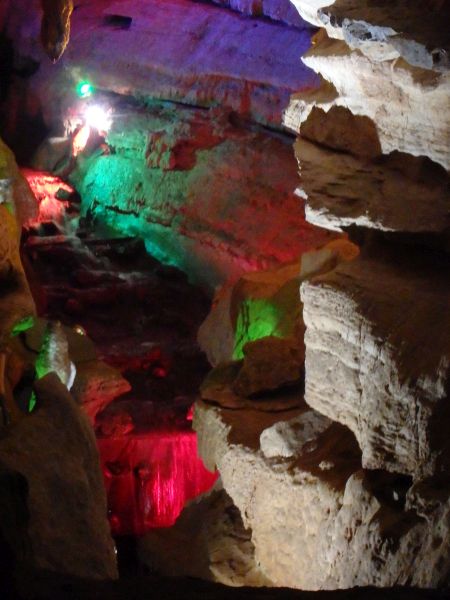
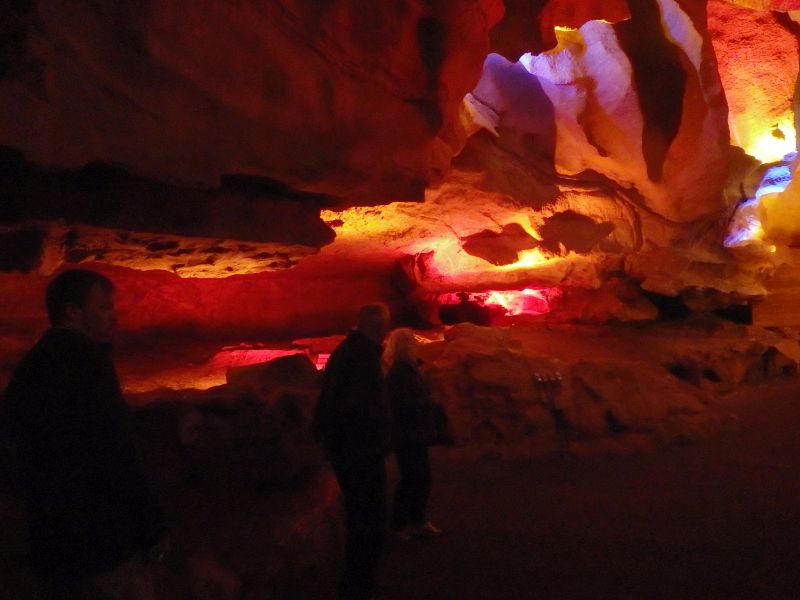
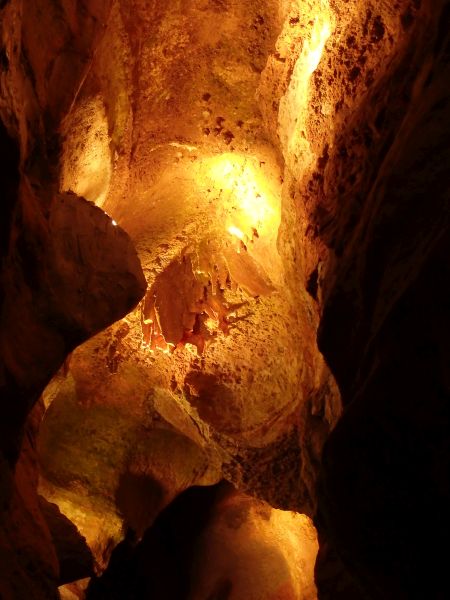
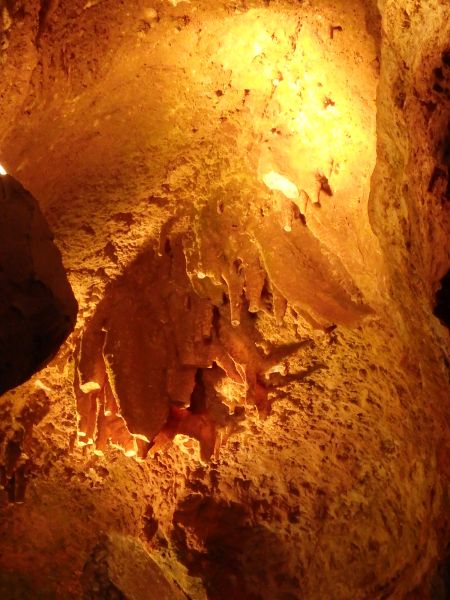
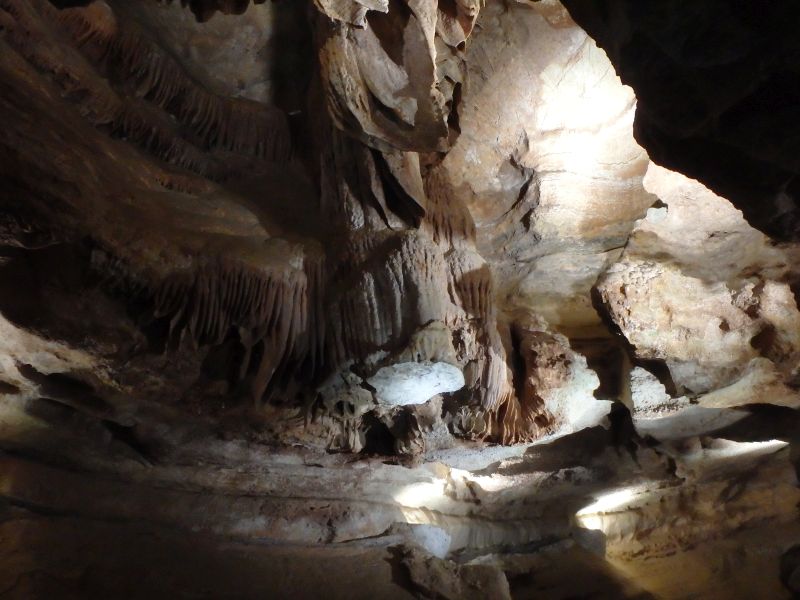
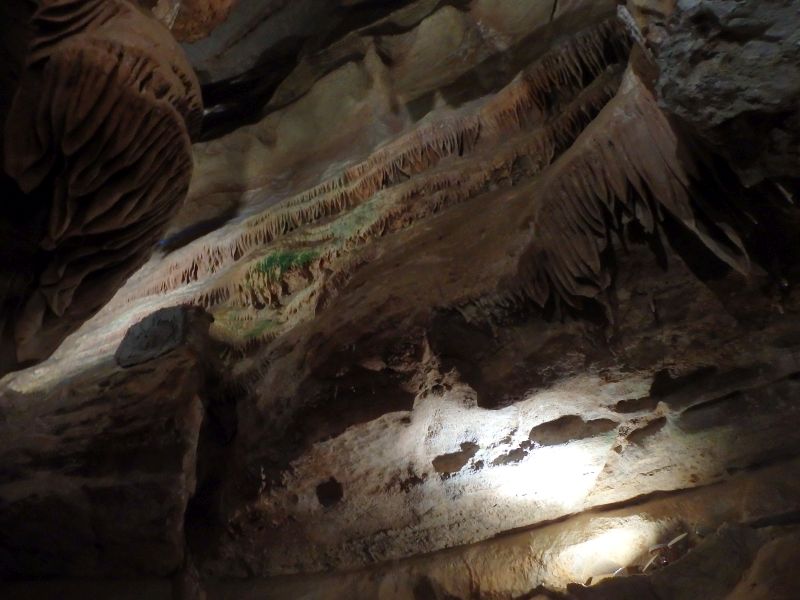
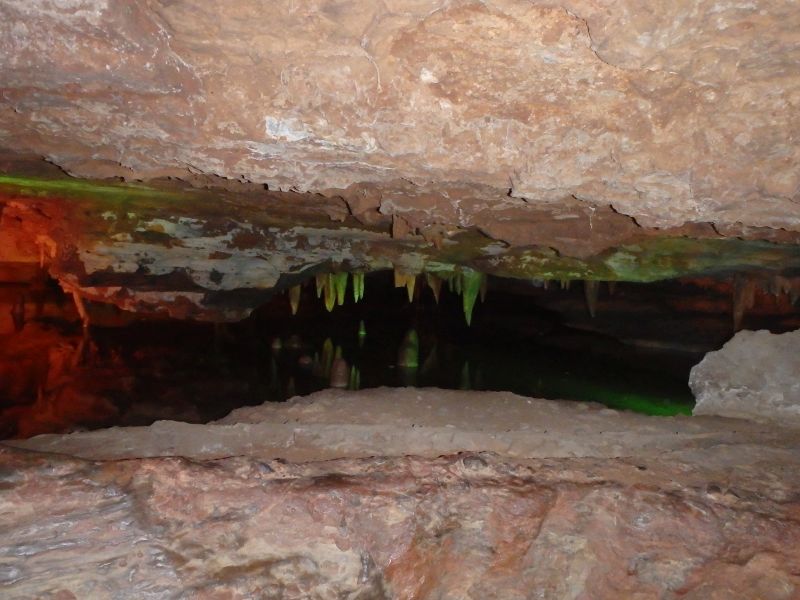
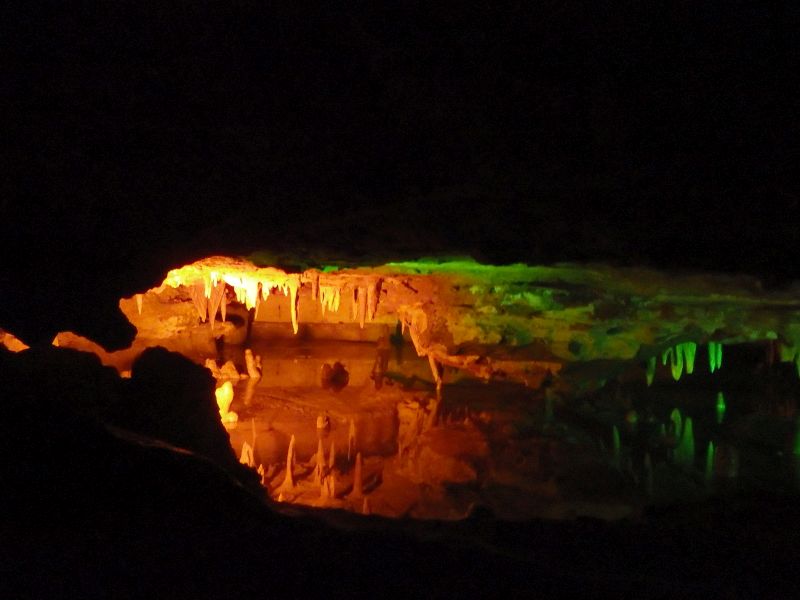
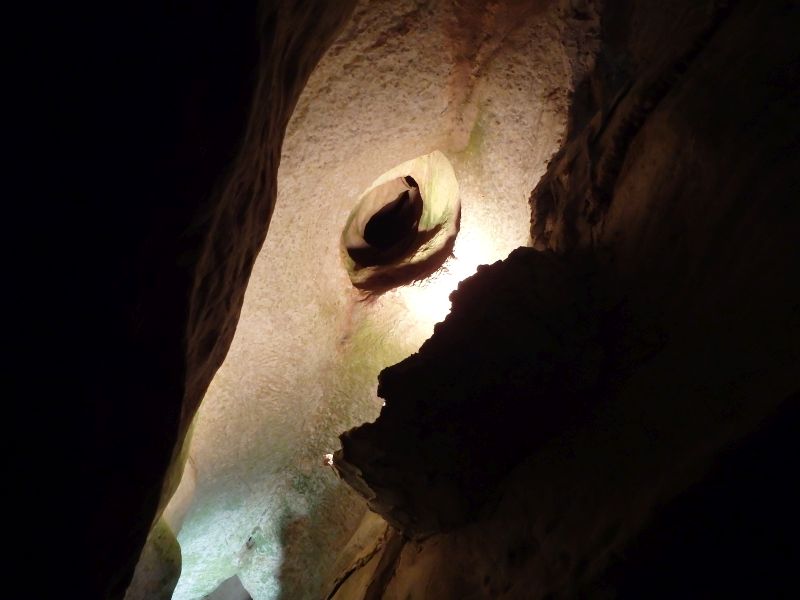
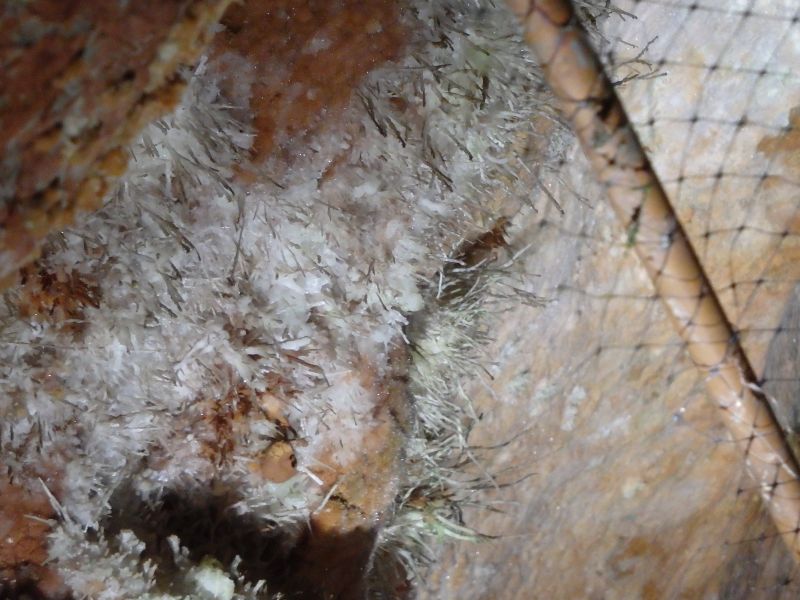
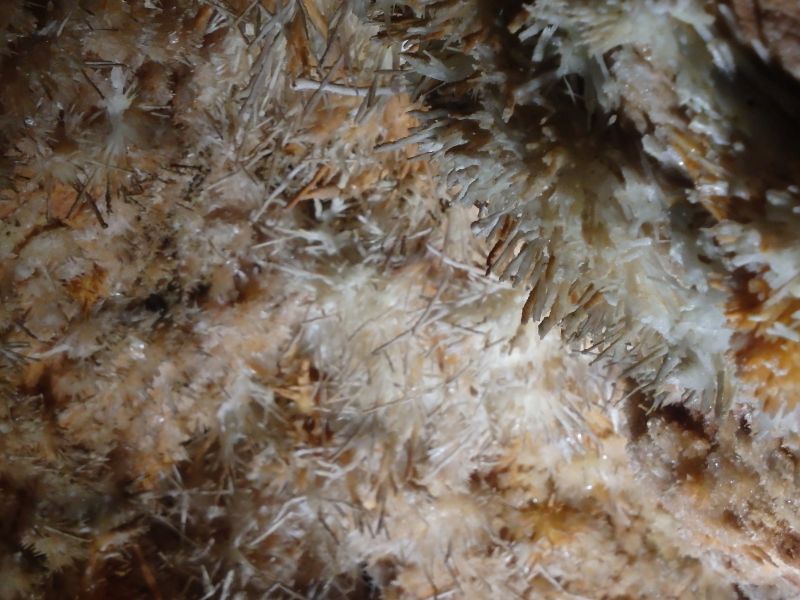
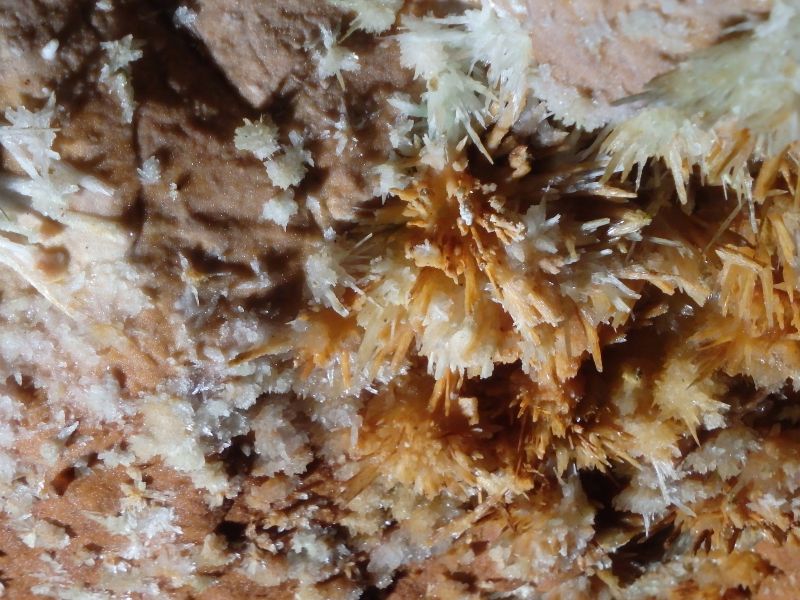
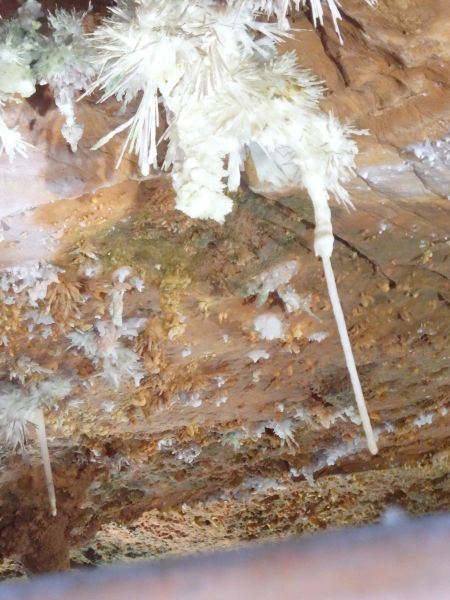
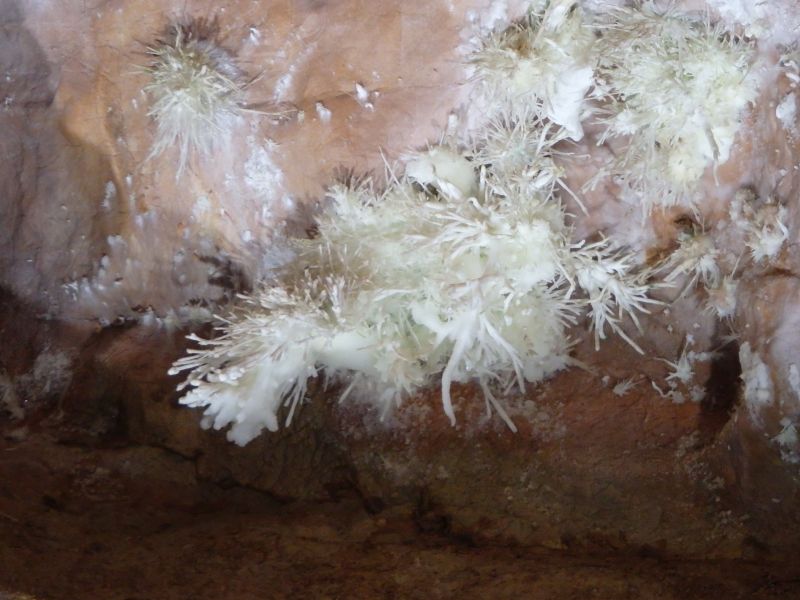
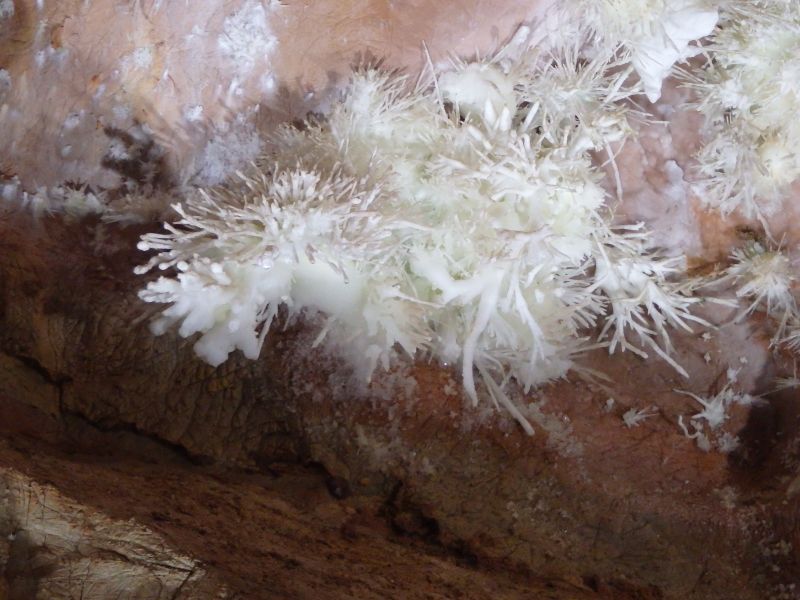
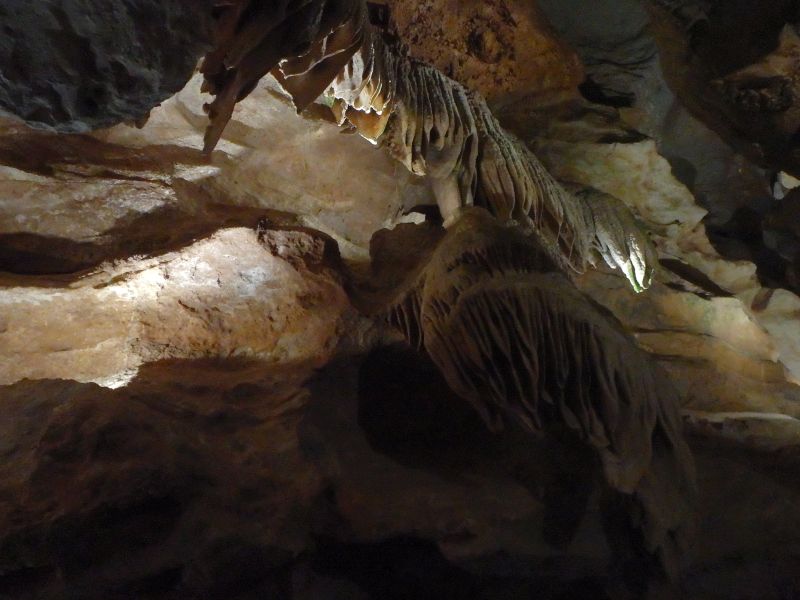
Drove Skyline Drive to Front Royal, VA. Toured Skyline Caverns—1 of 7 in the world with “cave flowers” (anthodites) (3 caves not open to public, 1 in France) and it has many rooms full, not just a few. They are in the part of the cave that was originally not open when found and had to be dug out—not easy to get the 1st shovel out given it was a vacuum! No accepted theory on how the flowers form, defying gravity by growing spines that radiate from the center in all directions (spherical). Very pretty too.
Wed. 4/26.
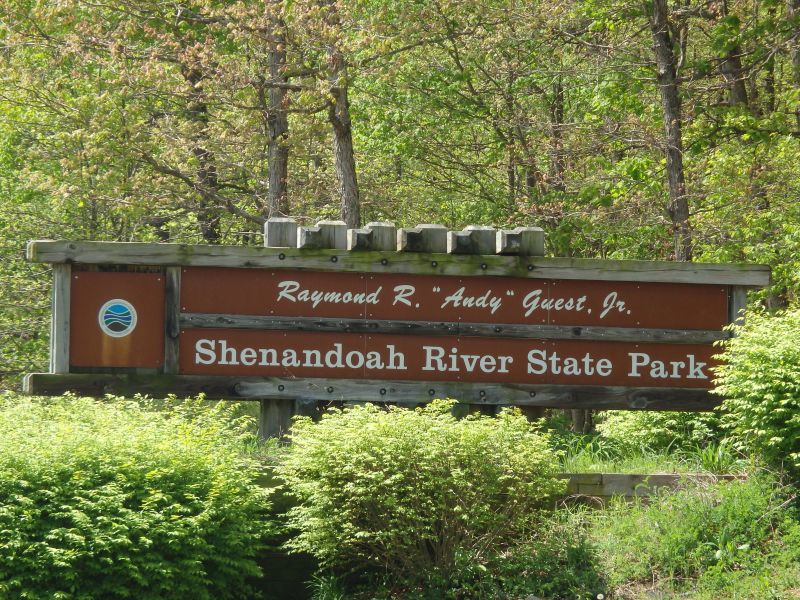
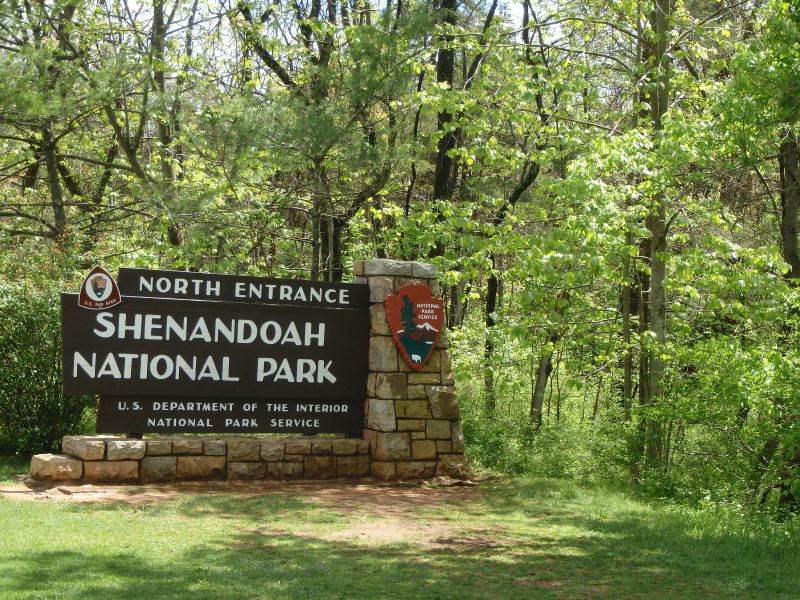
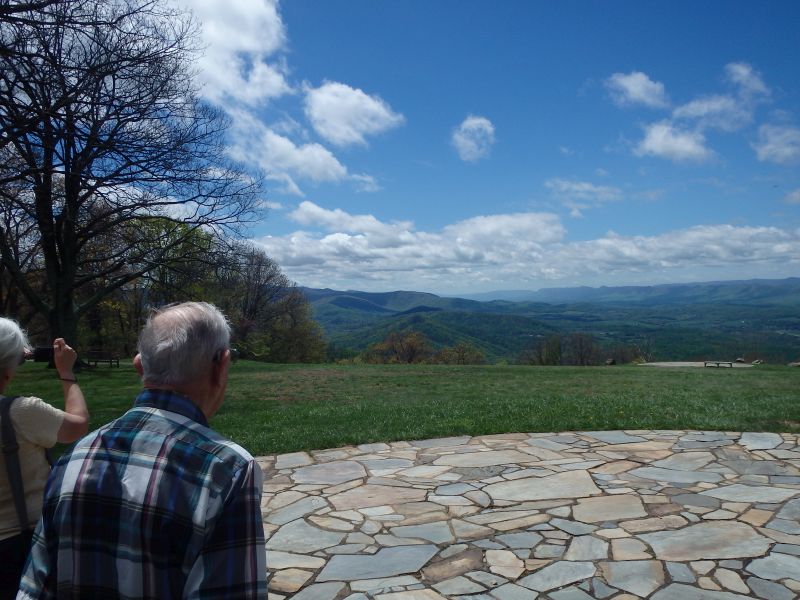
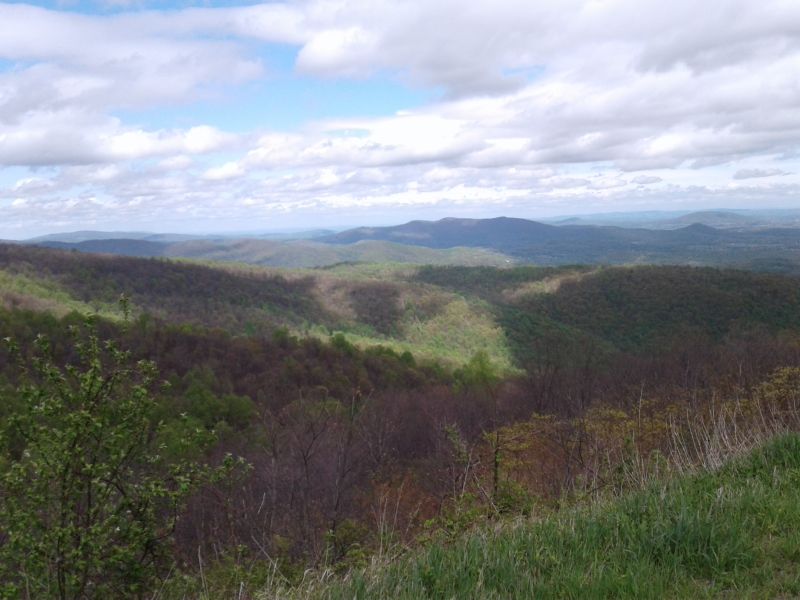
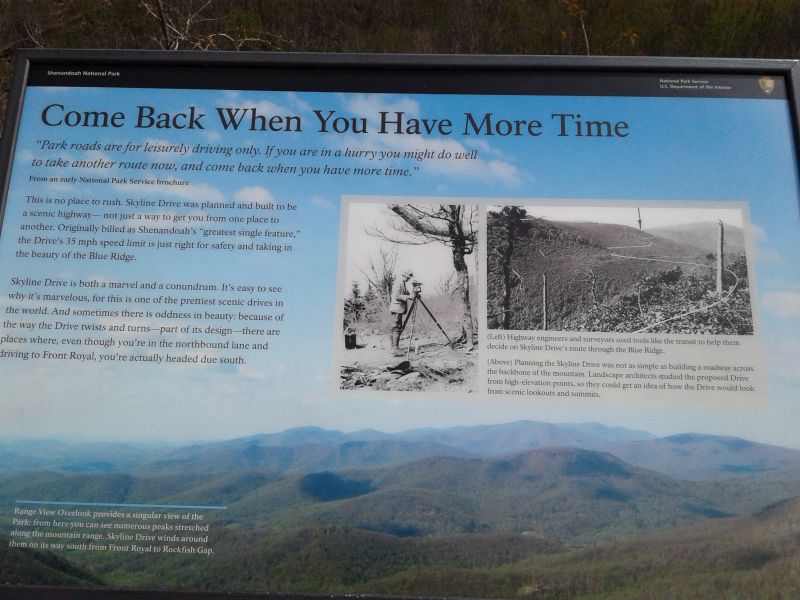
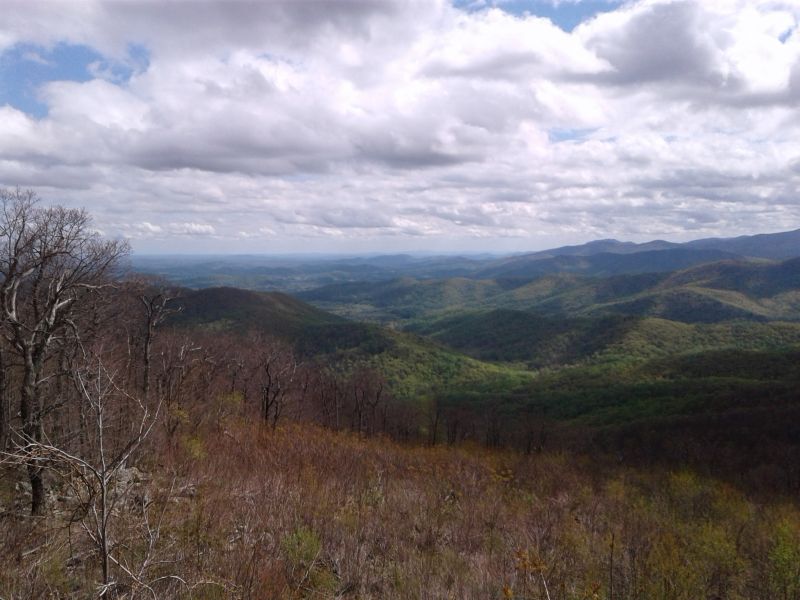
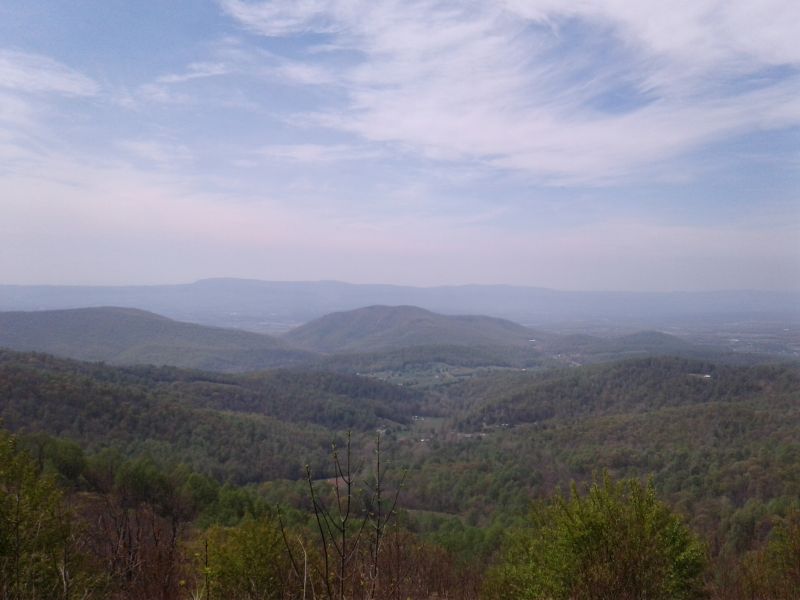
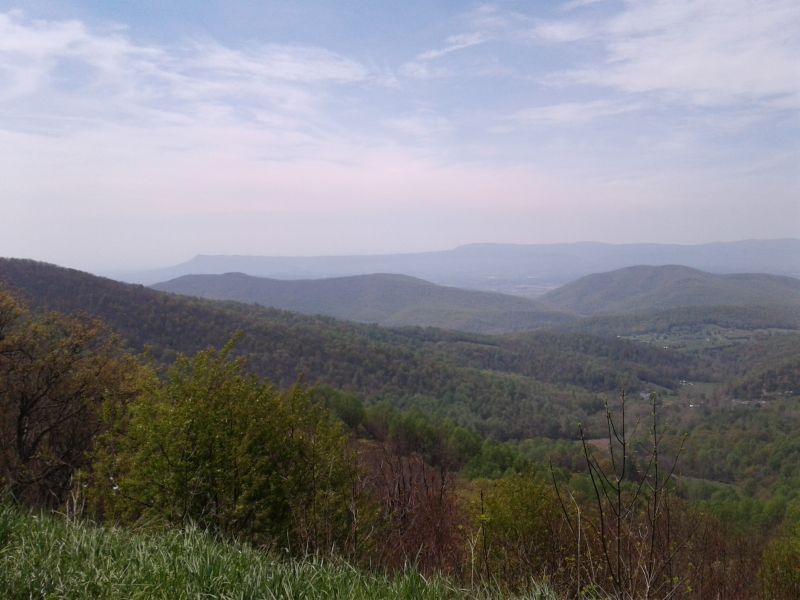
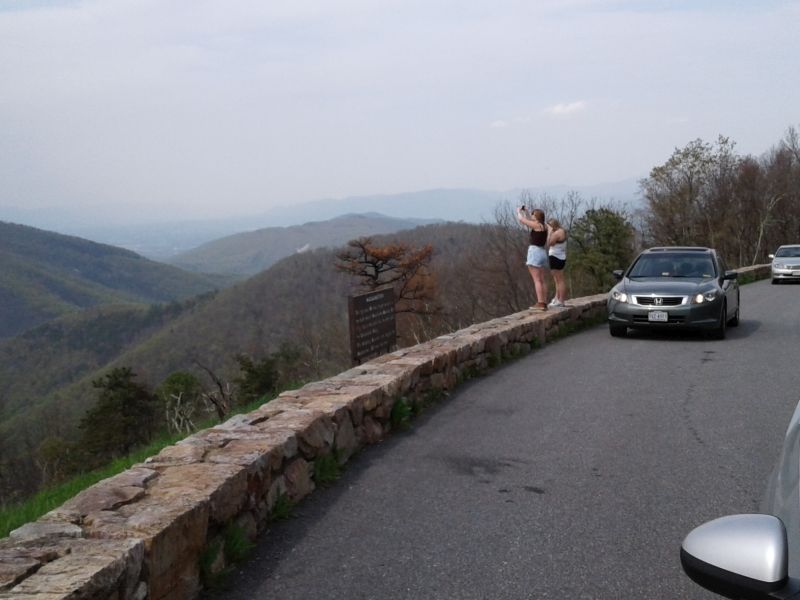
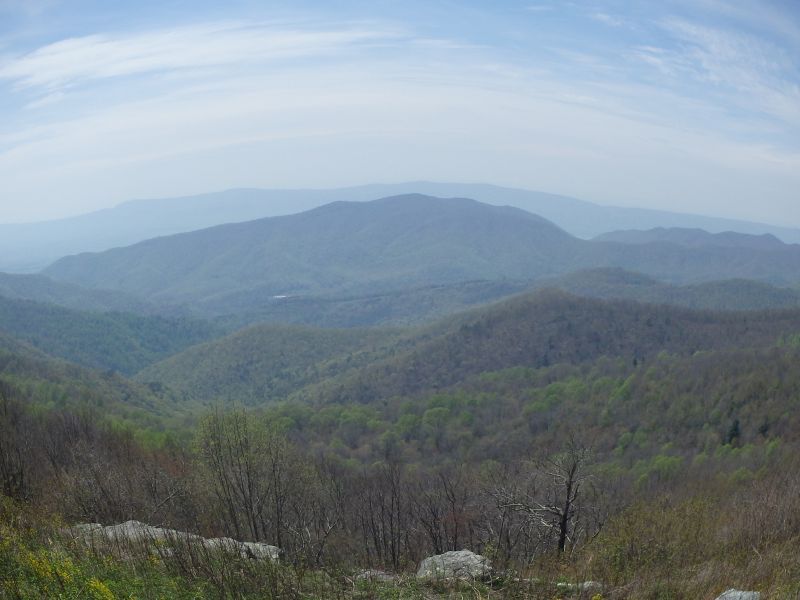
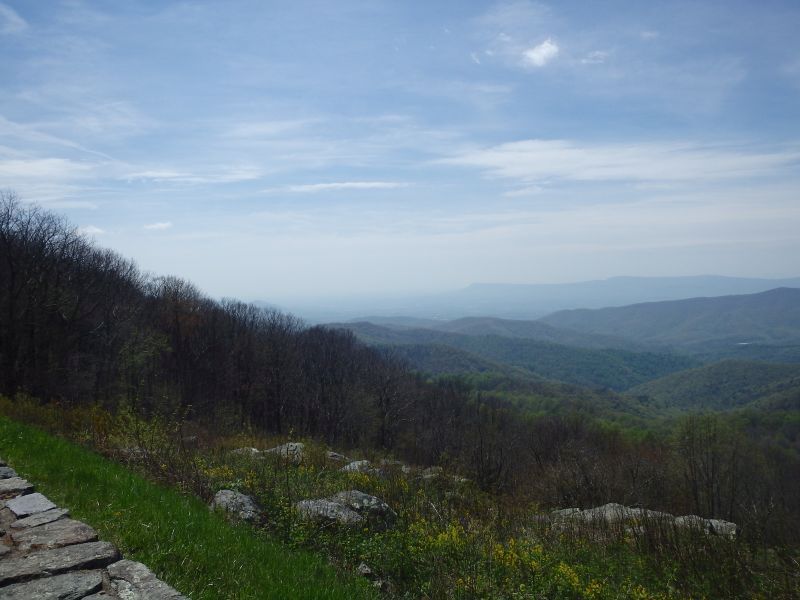
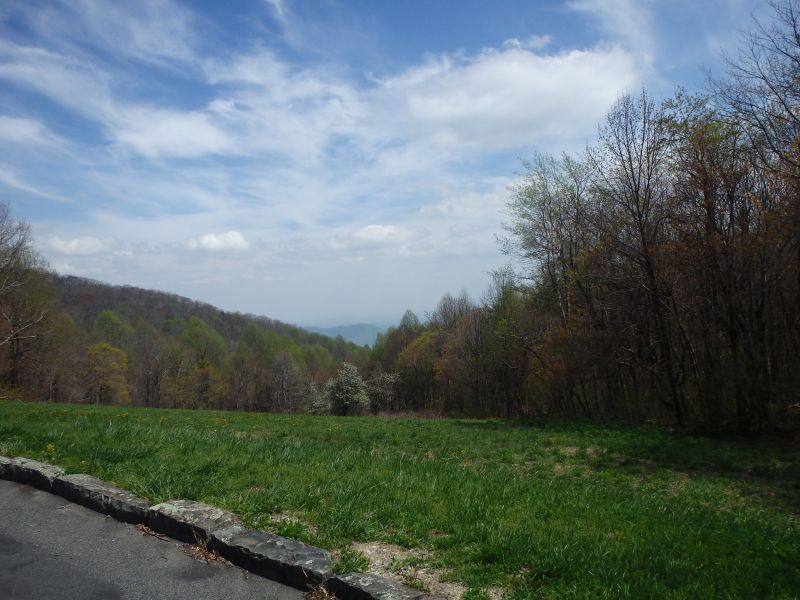
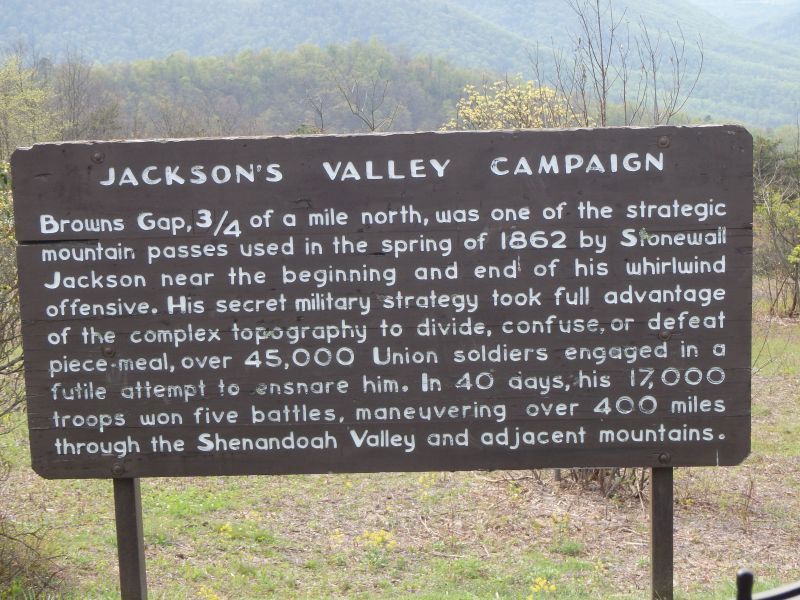
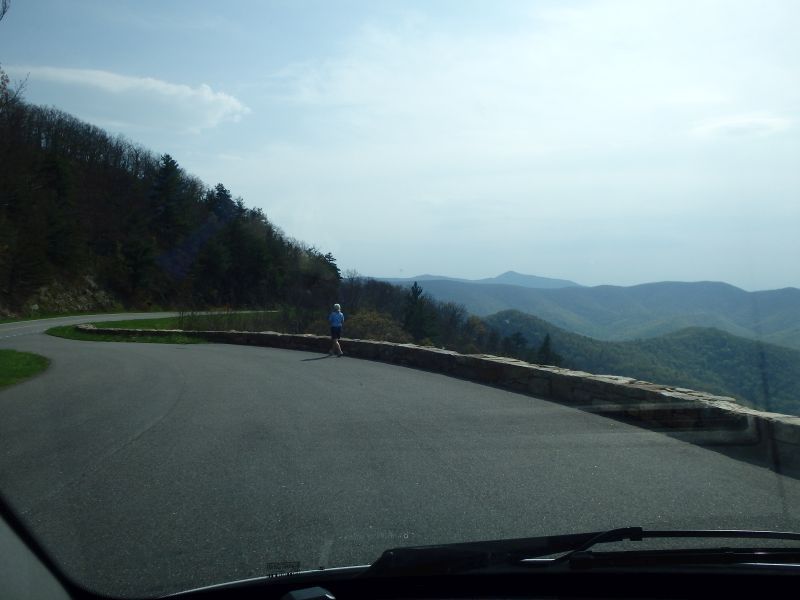
Started with Shenandoah River State Park, then drove the 1st (north) half of Shenandoah National Park (NP),
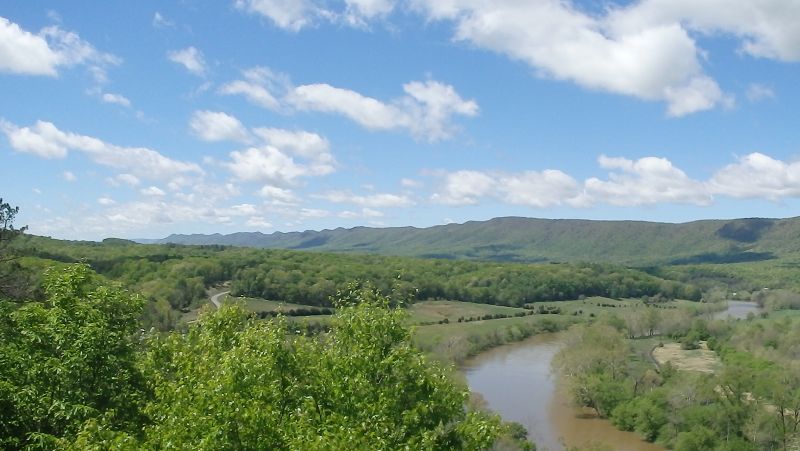
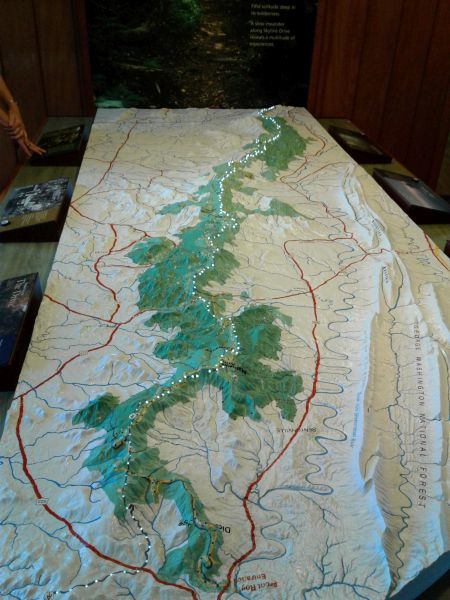
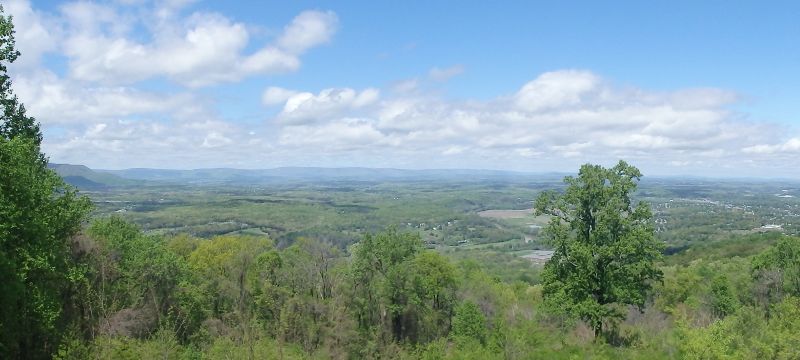
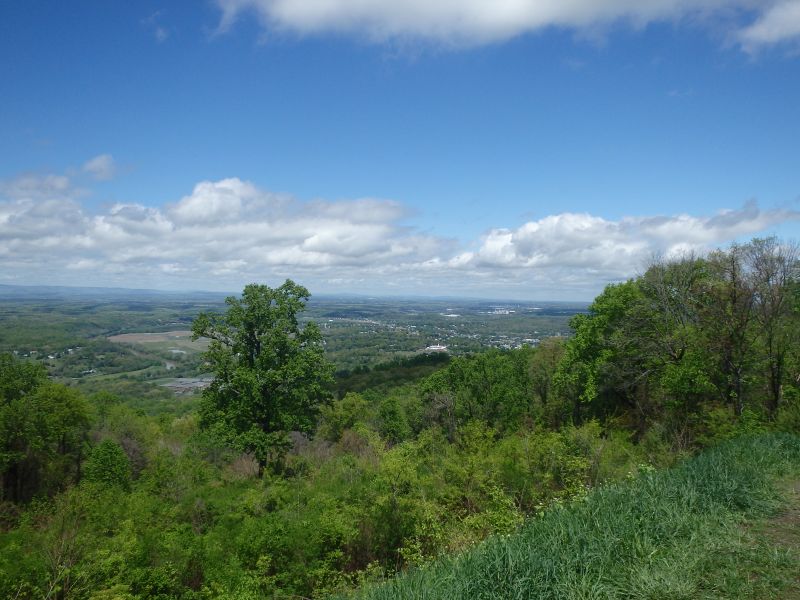
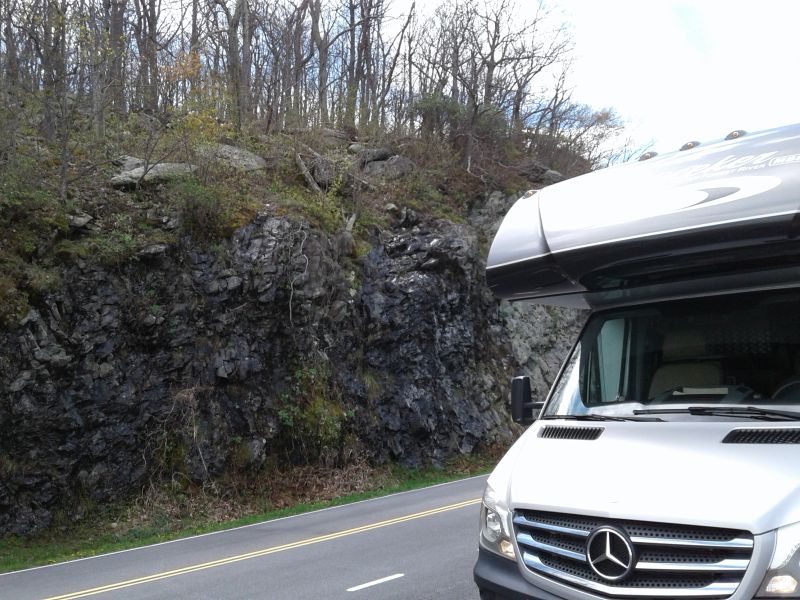
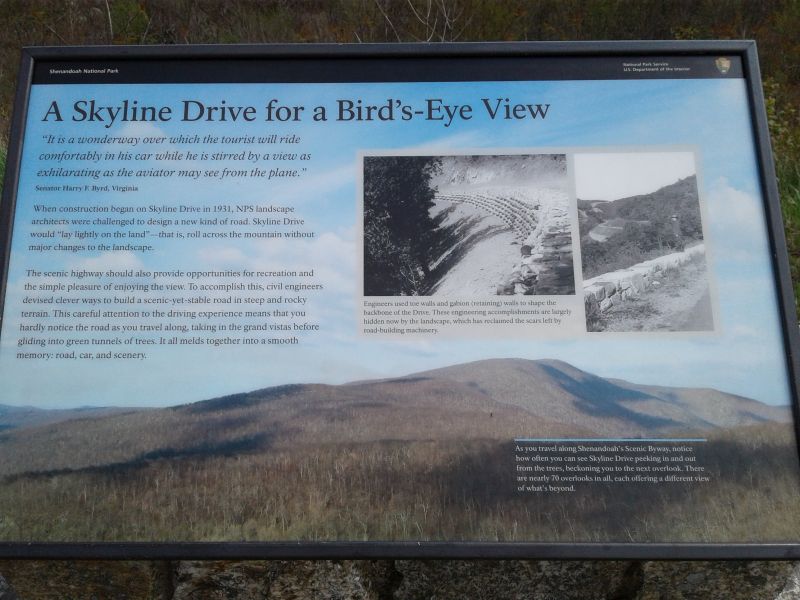
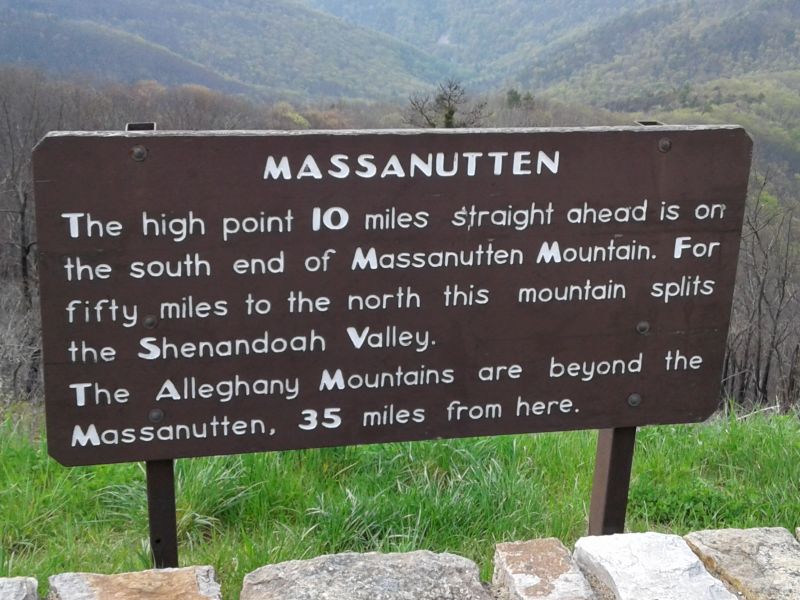
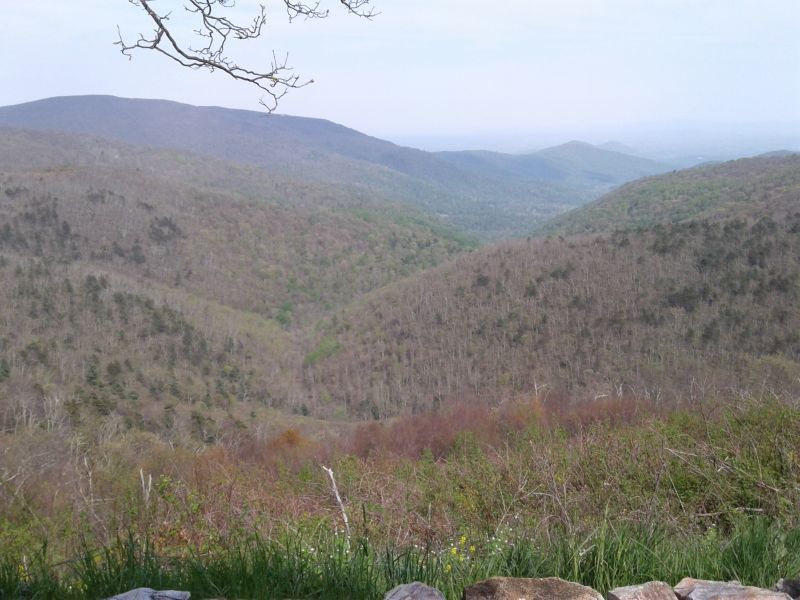
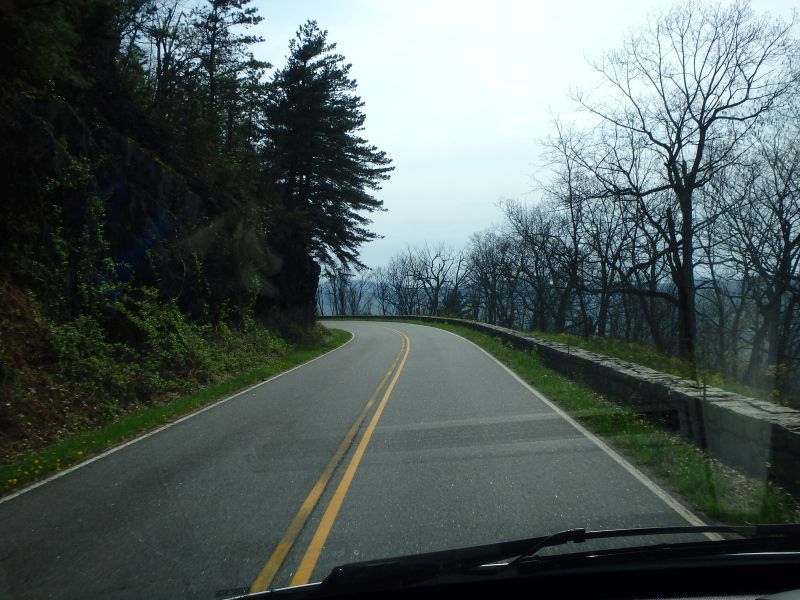
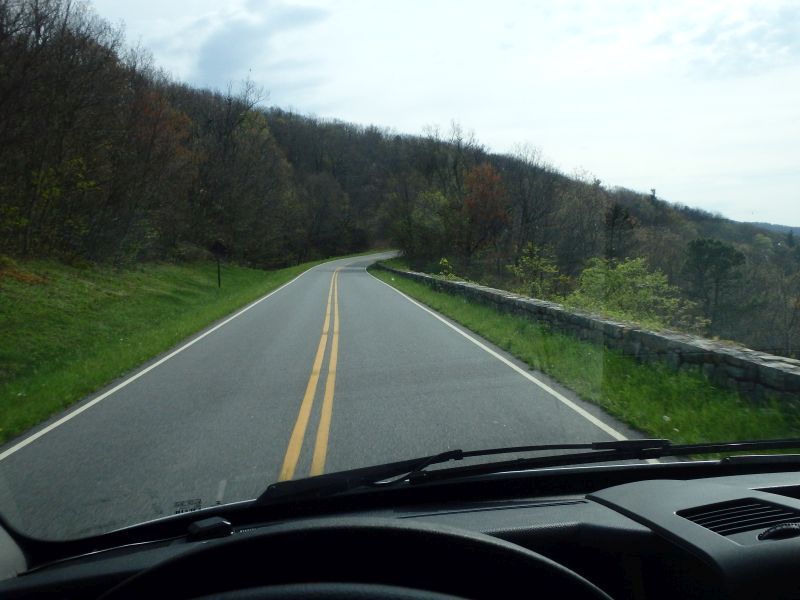
105 miles along crest of Blue Ridge Mtns (at South end it connects to Blue Ridge Parkway, 469 mi., and Great Smokey Mtns NP). Park was formed in 1935 from over 1000 parcels. Road has 75 overlooks, was built for a leisurely drive thru the countryside, speed limit is 35 mph. Hoover had a camp/retreat here. The state has a nice little museum just before the NP.
Civil War era map of valley is from Winchester to New Market, VA (53 mi. NS) and from Millwood on the East to Waverly, ??. (Map is approx 25 mi. wide).
Shenandoah Valley was a path for Confederate States of America (CSA) from Richmond to DC, but not vv for the Union Army because the CSA controlled the hills. Also a rich source of food for troops.
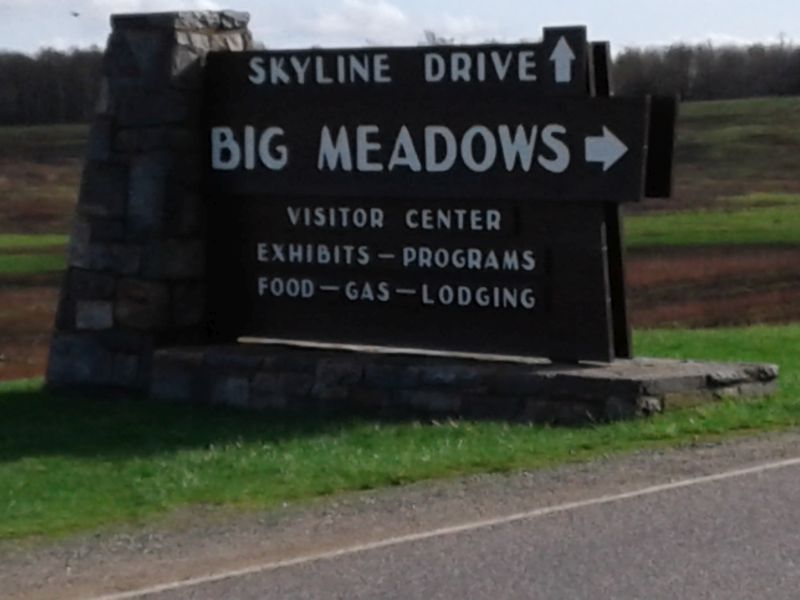
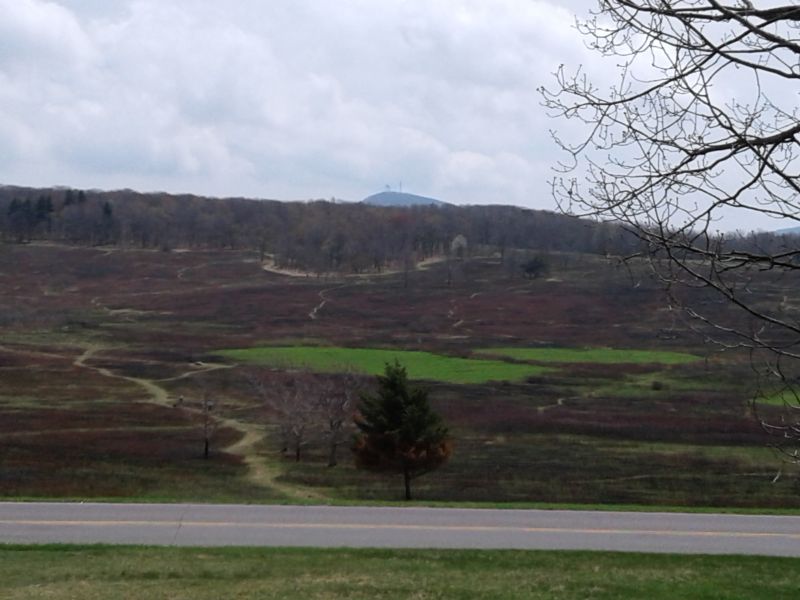
Big Meadows is 134 acres, the largest open area in the Park.

Thurs. 4/27.
Did 2nd (south) half of Shenandoah National Park.
Never expected to NOT-have cell service or GPS. Most of the National Park. Too many trees, mountains, valleys?

Fri. 4/28.
Rest/work day.
Sat. 4/29.
Sally & Dad visited the Frontier Culture (outdoor) Museum, Stauton VA while Bob worked on the RV issues. Free electric cart to ride around park. Saw sheep shearing.
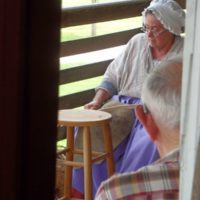
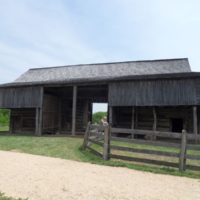
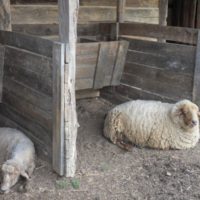
Enjoyed eating at Mountainside Grille in Croset VA between National Park and Charlottesville. Look for Jennifer on Facebook.
Sun. 4/30.
Rest/work day. Misty Mountain campground–met Will &Mike working on cable wiring. . .
Mon. 5/1.
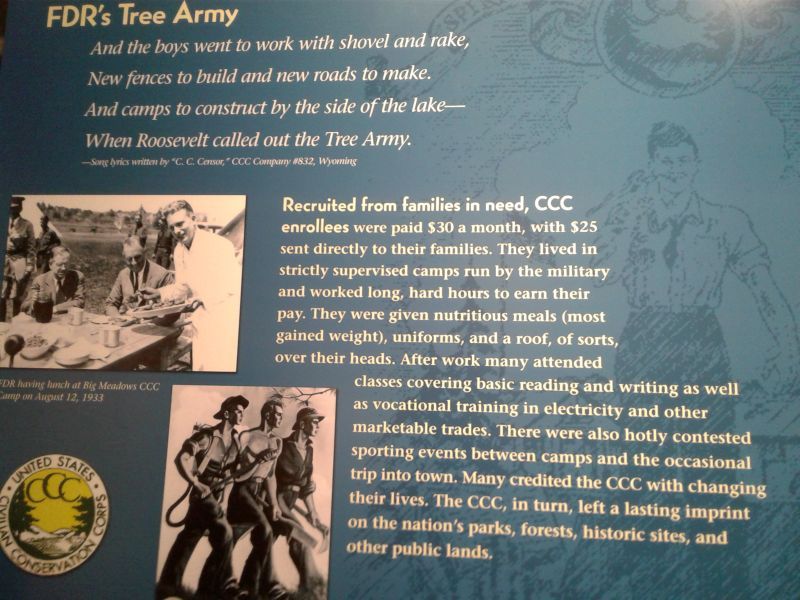
Drove to Richmond area. The campground (CG) includes a Civilian Conservation Corps (CCC) Museum but it wasn’t open when we were there. Intended to employ ½ million unemployed youth, the 1930s Depression-era program employed 3+ million in 9 yrs. 18-25 year olds, unmarried, from families on relief; for 6 month stints, could re-enlist for up to 2 yrs.